Synesthesias of the Infinite — Diana Medina Prieto
Throughout September, Arte+Ciencia hosts a residency by Diana Medina, a composer and researcher whose practice crosses contemporary music, sound art, the phenomenology of perception, and the cognitive sciences. For more than ten years she has investigated synesthesia, not only as a neurological phenomenon but as a perceptual model, exploring its transcription and induction through composition, improvisation, and the design of immersive sound installations.
During her residency she seeks to open a dialogue with contemporary physics around notions of infinity, continuity, dimension, matter, and scale — not to illustrate scientific theories but to build sound experiences that make those concepts perceptible.
These are the events confirmed so far; more will be added, so check the updates on our page:
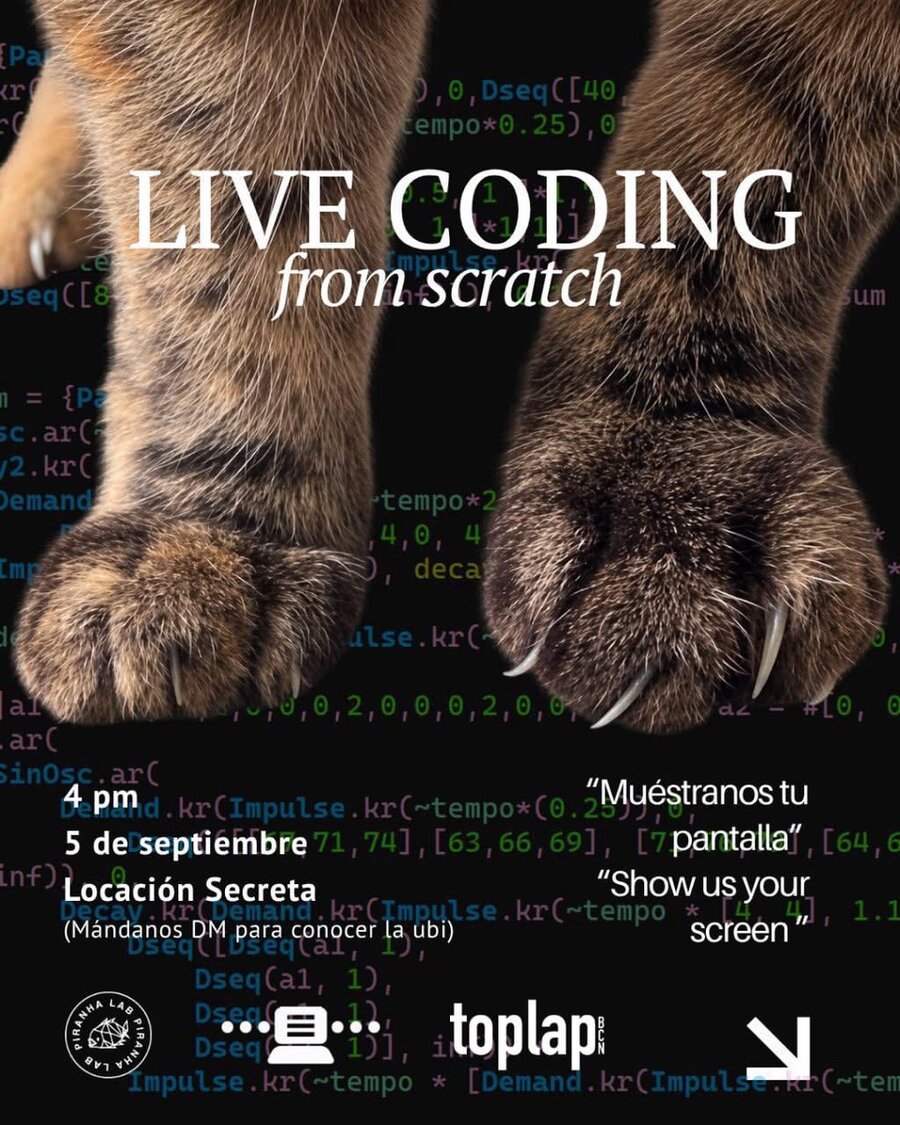
Live Coding from Scratch — September 5. Live improvisation concert with code, organized by Piranha Lab and TOPLAP BCN.
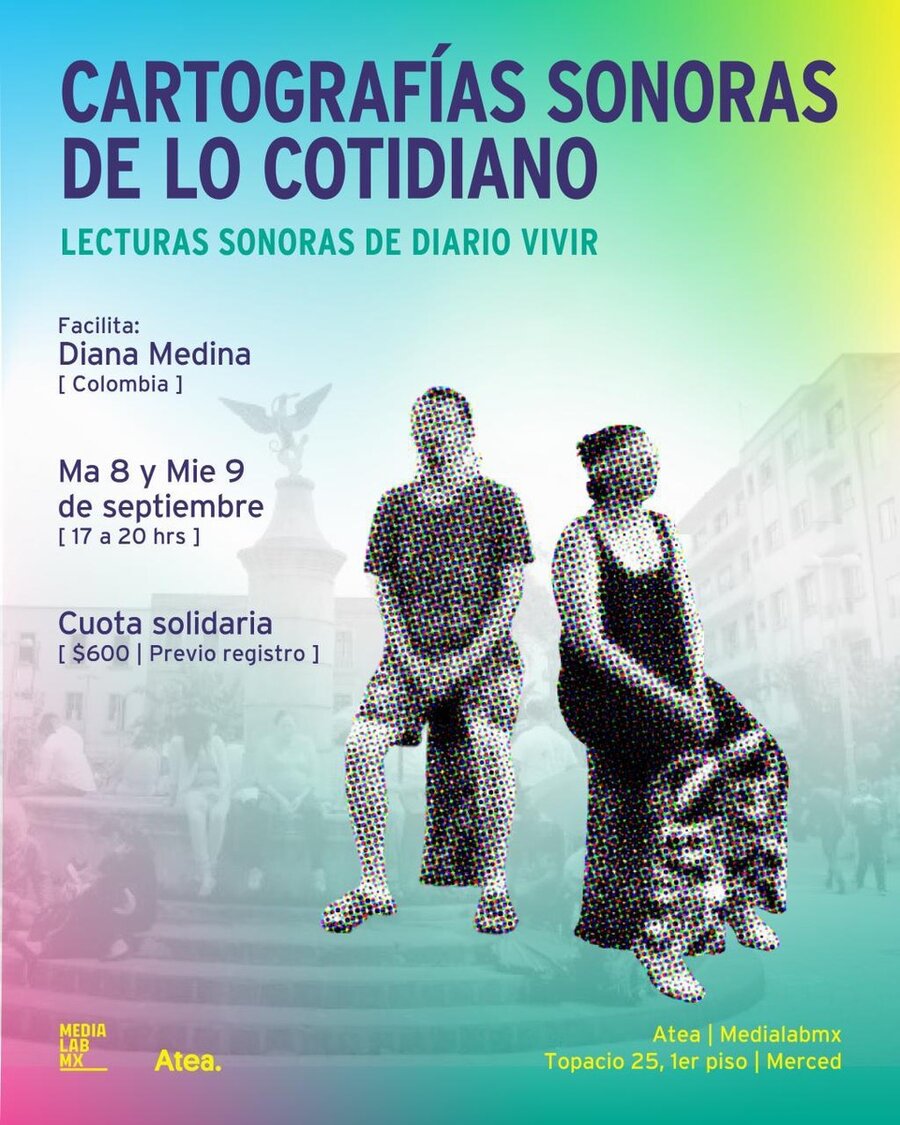
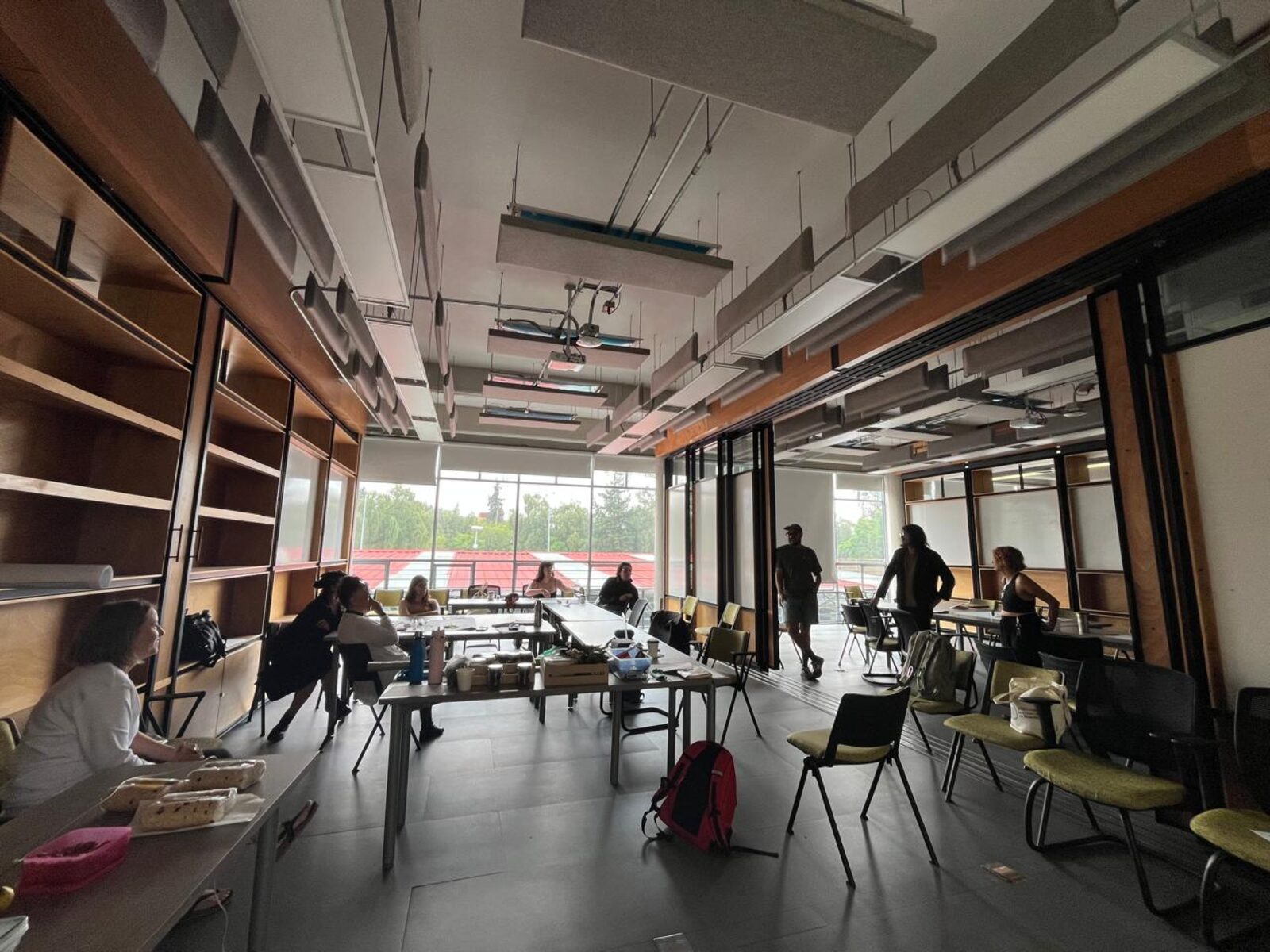
Cartografías sonoras de lo cotidiano. Lecturas sonoras de diario vivir — September 8 and 9, at Atea | Medialabmx. A workshop that understands listening as a practice of territorial recognition: who inhabits a place? which sounds are disappearing? which social or environmental tensions can be heard? The outcome is a series of soundscapes and sound maps that will make up a collective digital archive. Limited capacity, prior registration.
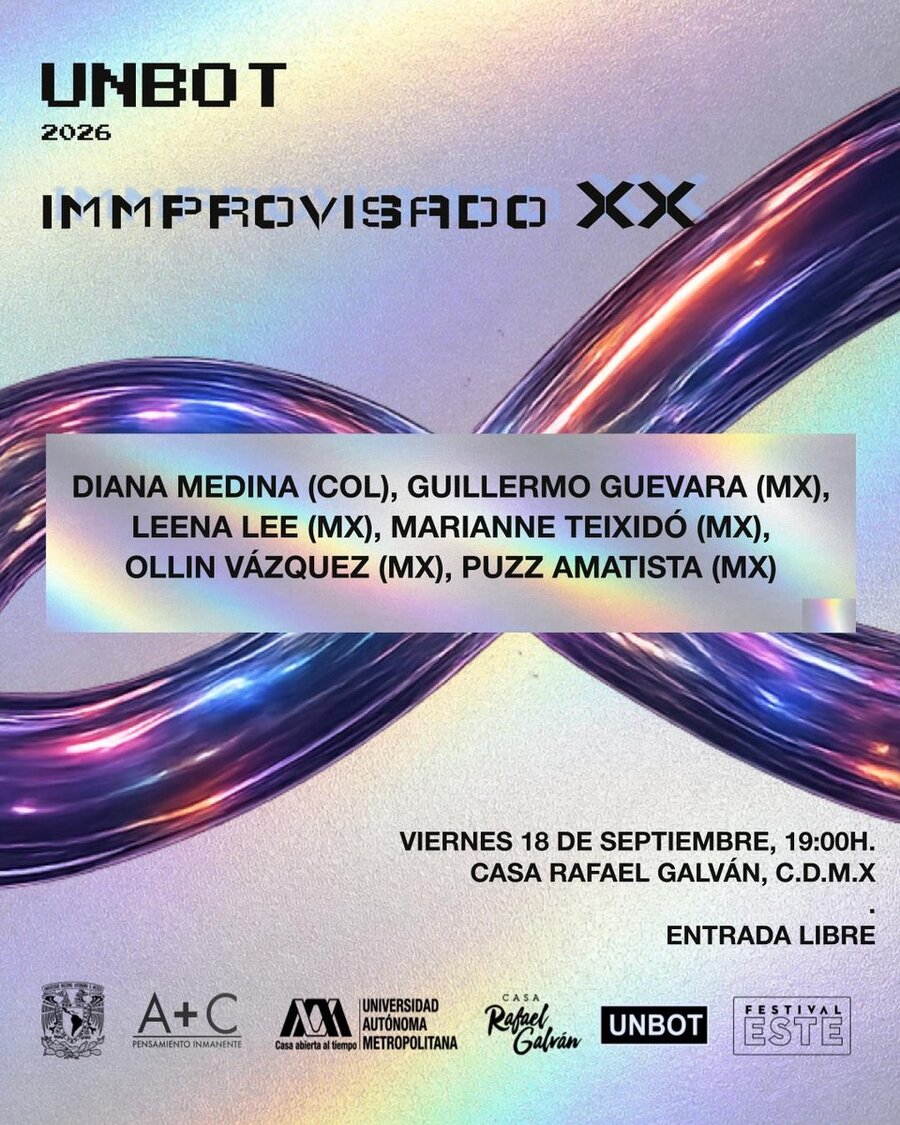
Improvisado XX. Variaciones para un espacio infinito — September 18, at Casa Rafael Galván, free admission. A concert celebrating the twentieth edition of UNBOT —the platform she founded— in dialogue with this residency. Six musicians from Mexico and Colombia —Ollin Vásquez, Guillermo Guevara, Leena Lee, Marianne Teixidó, Puzz Amatista and Diana Medina— are grouped by chance into duets and trios to explore how we perceive the infinite through sound.
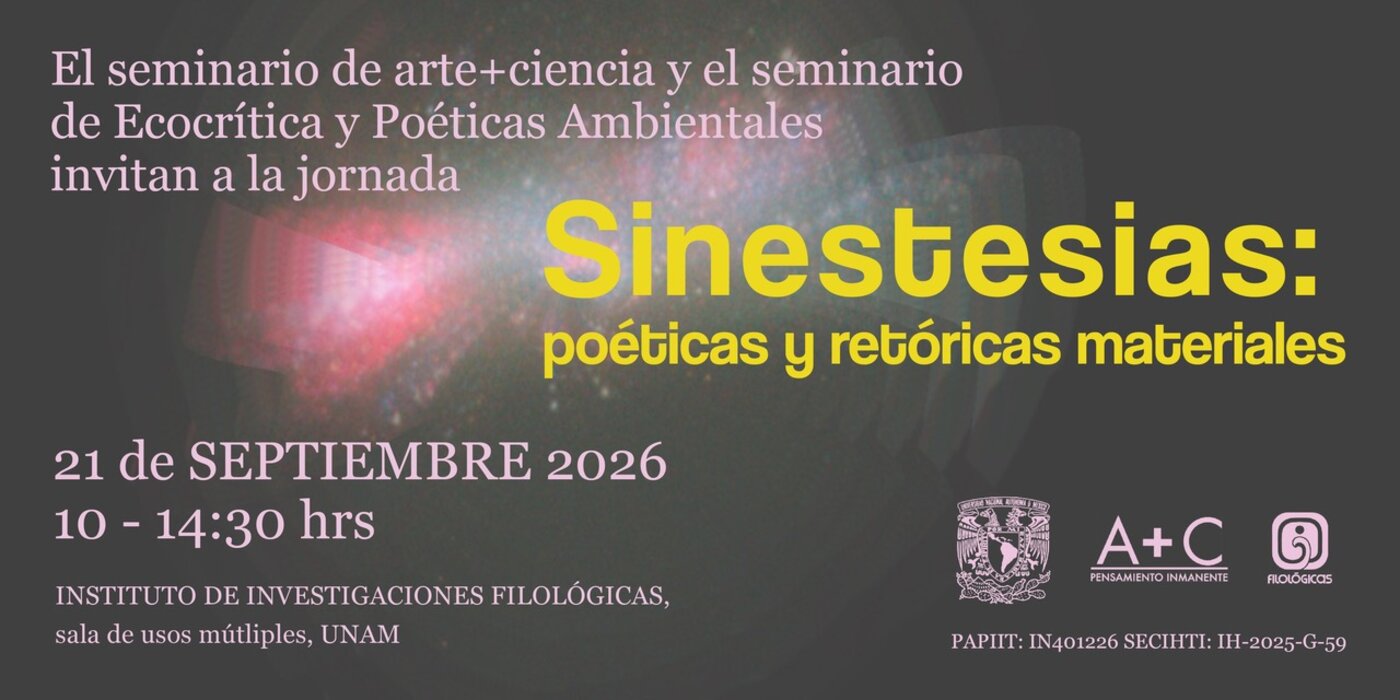
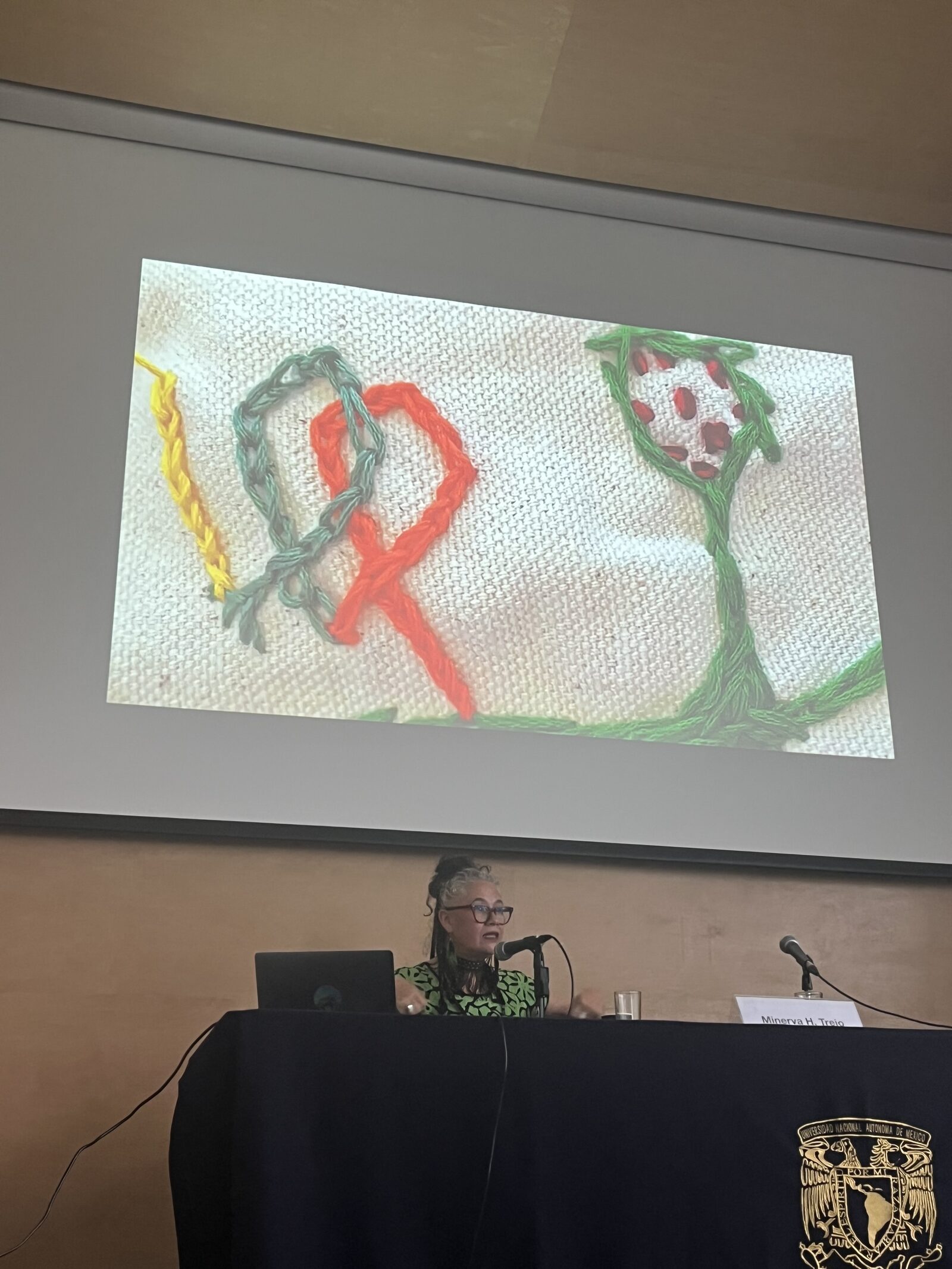
Sinestesias: poéticas y retóricas materiales — September 21, at the Institute for Philological Research, UNAM. A symposium organized around her visit by the Arte+Ciencia seminar and the Ecocriticism and Environmental Poetics seminar, on the material and bodily dimension of synesthesia. Two panels: “The body that translates: synesthesia, light and metaphor,” with Diana Medina, Edith Vázquez and Ximena González Grandón; and “The incommensurable: scale, time and network,” with Diana Medina, Erin McKiernan and Minerva H. Trejo.
Learn more about her work on her website and on Instagram.
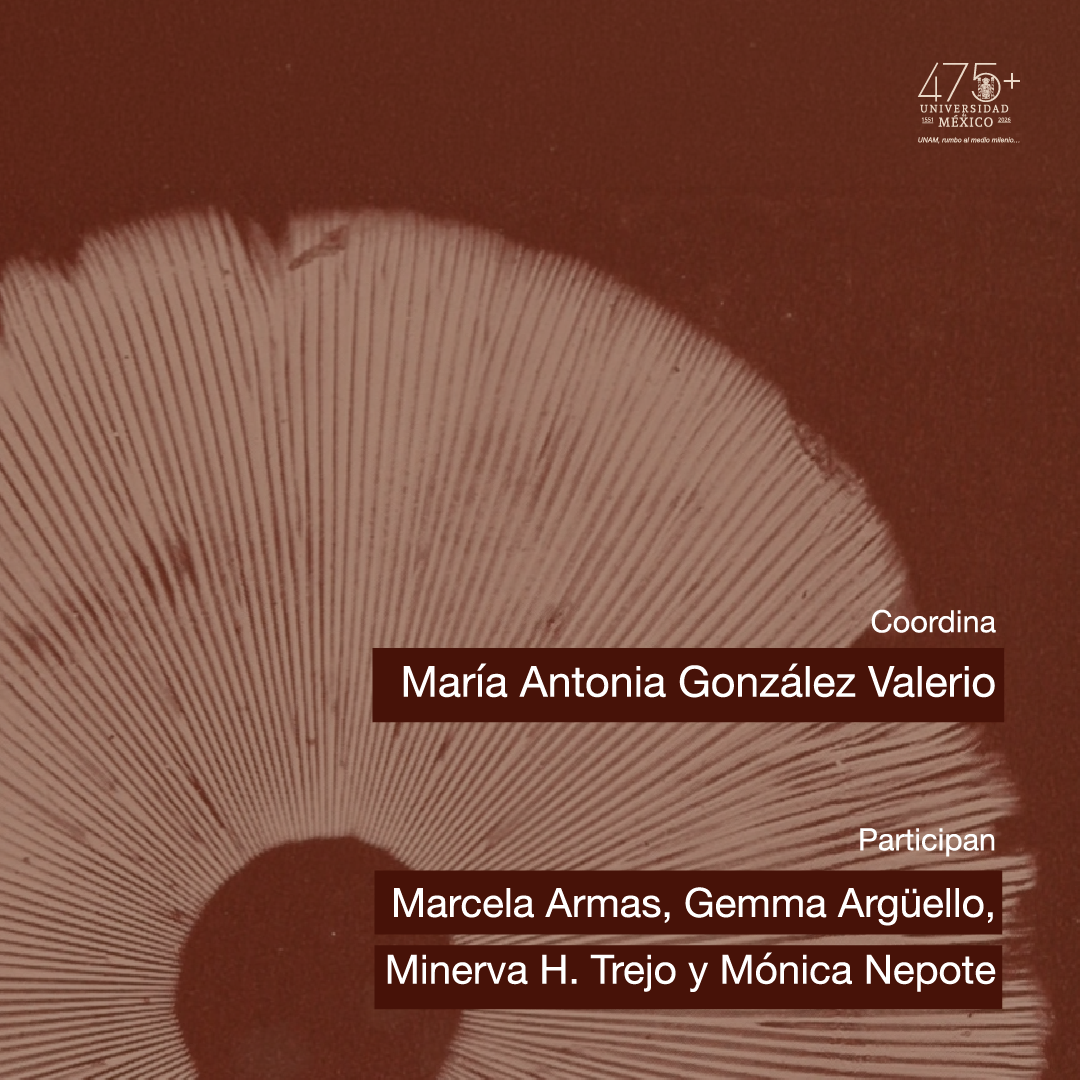
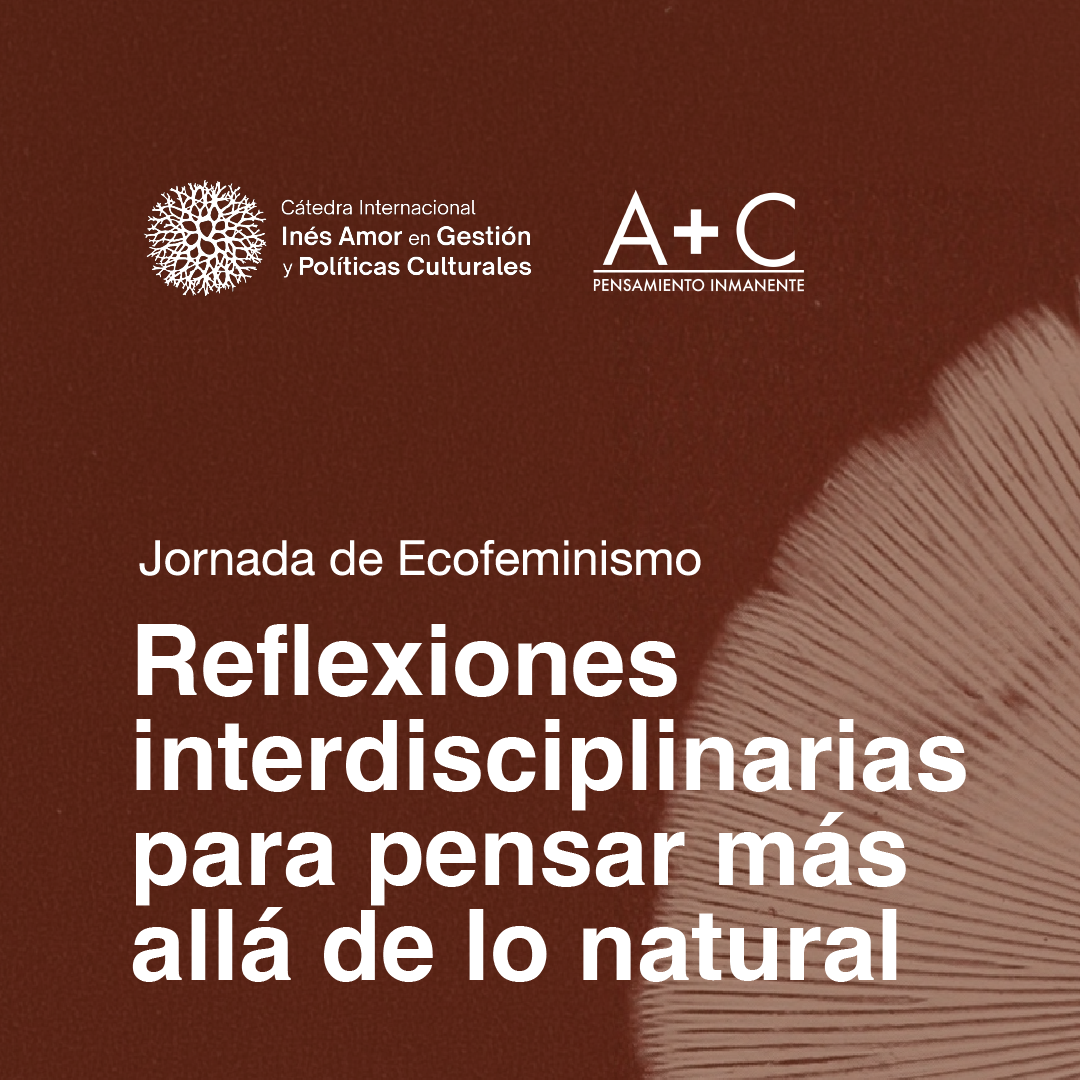
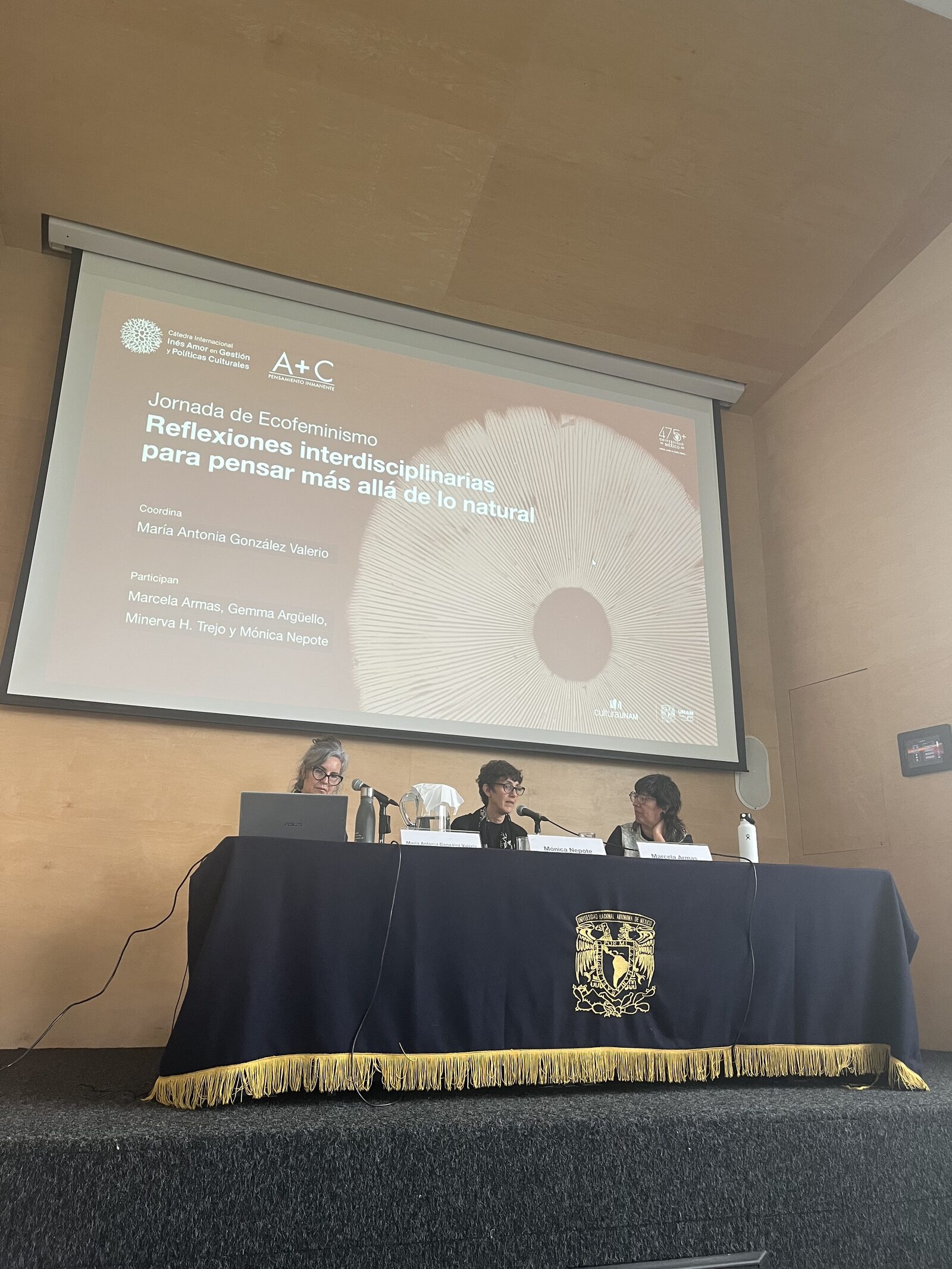
Jornada de Ecofeminismo. Reflexiones interdisciplinarias para pensar más allá de lo natural
Recollections of a Collective Undertaking: Navigating the Borders of Life and Nature Through Artistic Research in Mexico
For more than 15 years, Arte+Ciencia has built a space for the crossing of arts, sciences, and humanities at UNAM and in Mexico. This article traces that collective history: the debates, collaborations, experiments, and learnings that have shaped our work.
Climate Memories — Linda O'Keeffe + Leena Lee
Arte+Ciencia organized a series of activities as part of a research stay and artistic residency by Linda O'Keeffe, a sound artist, researcher, and Professor of Art at Stony Brook University. Working at the intersection of ecofeminism and acoustic ecology, her practice examines how soundscapes, infrastructures, and environmental transformations shape our perception, our bodies, and the ways in which we inhabit territories.
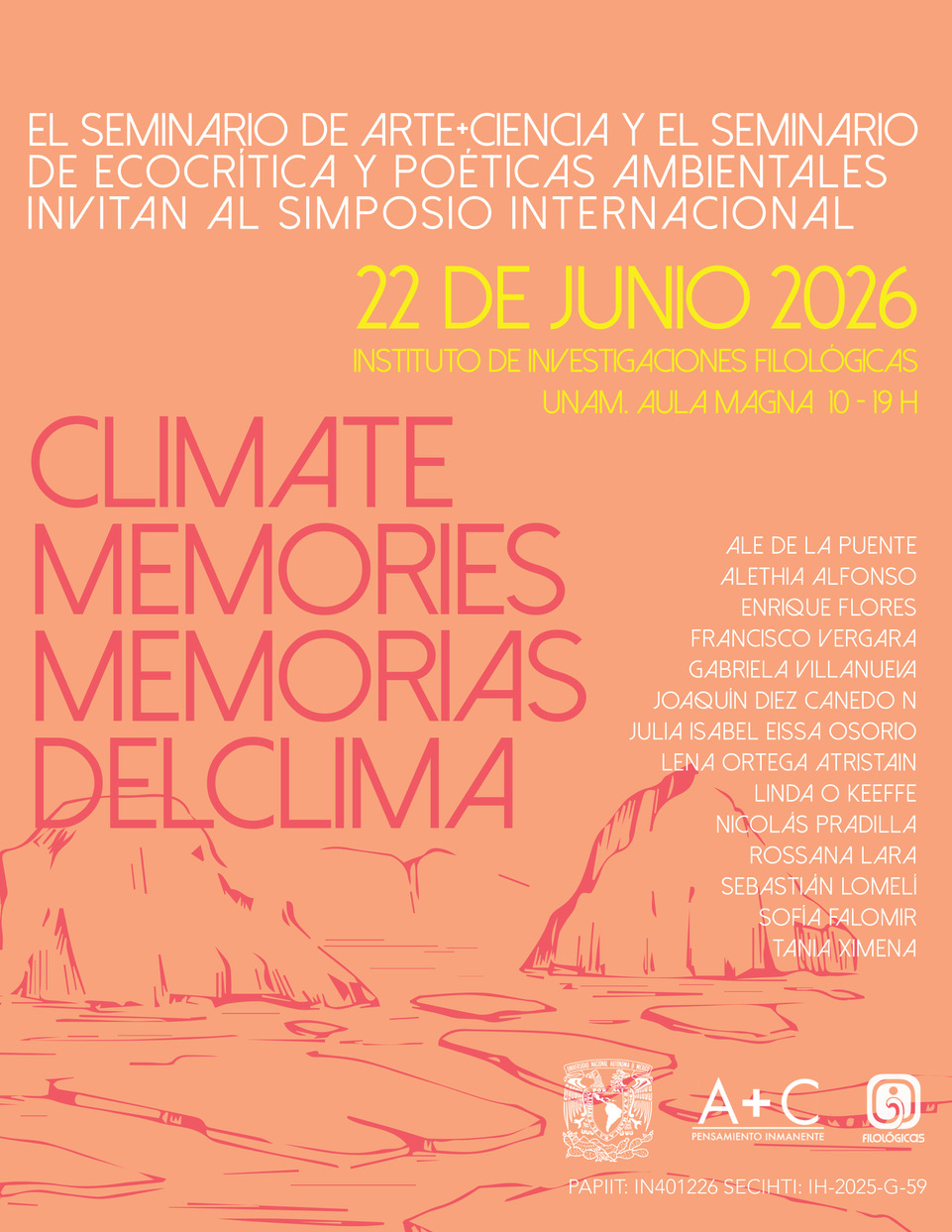
The International Symposium Climate Memories featured Linda O'Keeffe's lecture, Sound Foraging: Making Audible the Traces of Climate Change, as well as three interdisciplinary panels. Rossana Lara, Nicolás Pradilla, Julia Isabel Eissa Osorio, and Alethia Alfonso took part in “Cartographies of Resistance and Territorial Inscriptions”; Sebastián Lomelí Bravo, Francisco Vergara Silva, Gabriela Villanueva Noriega, and Joaquín Díez-Canedo N. participated in “Technographies, Herbographies, and Material Archives”; and Ale de la Puente, Enrique Flores, Lena Ortega Atristain, and Sofía Falomir joined “Somatic Echoes and Cosmic Rhythms.” The event concluded with a screening of The Lichen March and a conversation with its director, Tania Ximena.
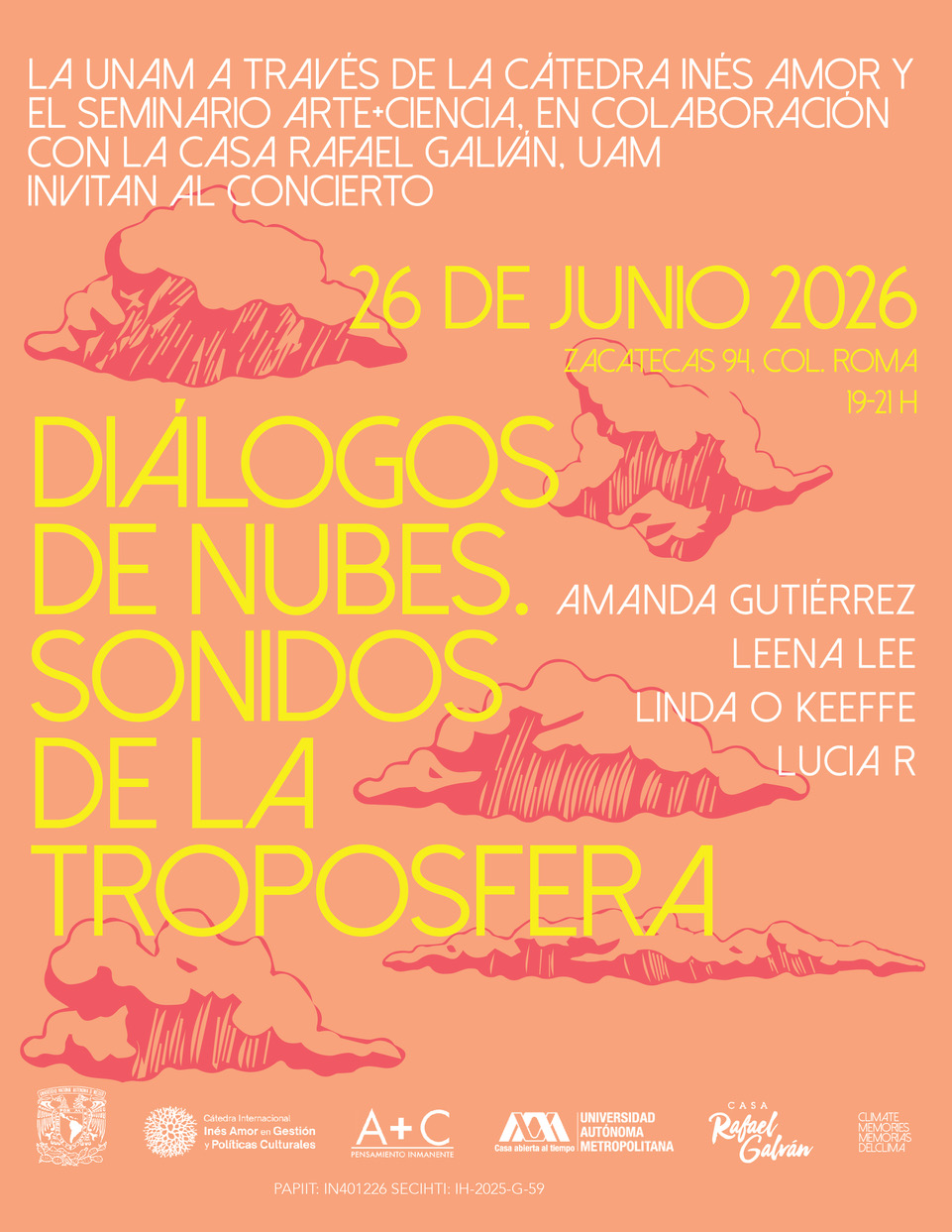
The concert Dialogues of Clouds: Sounds of the Troposphere was organized in collaboration with the Inés Amor International Chair in Cultural Management and UAM's Casa Rafael Galván. Amanda Gutiérrez, Leena Lee, Linda O'Keeffe, and Lucía R. explored the forms, movements, and temporalities of clouds through ambient music and experimental sound.
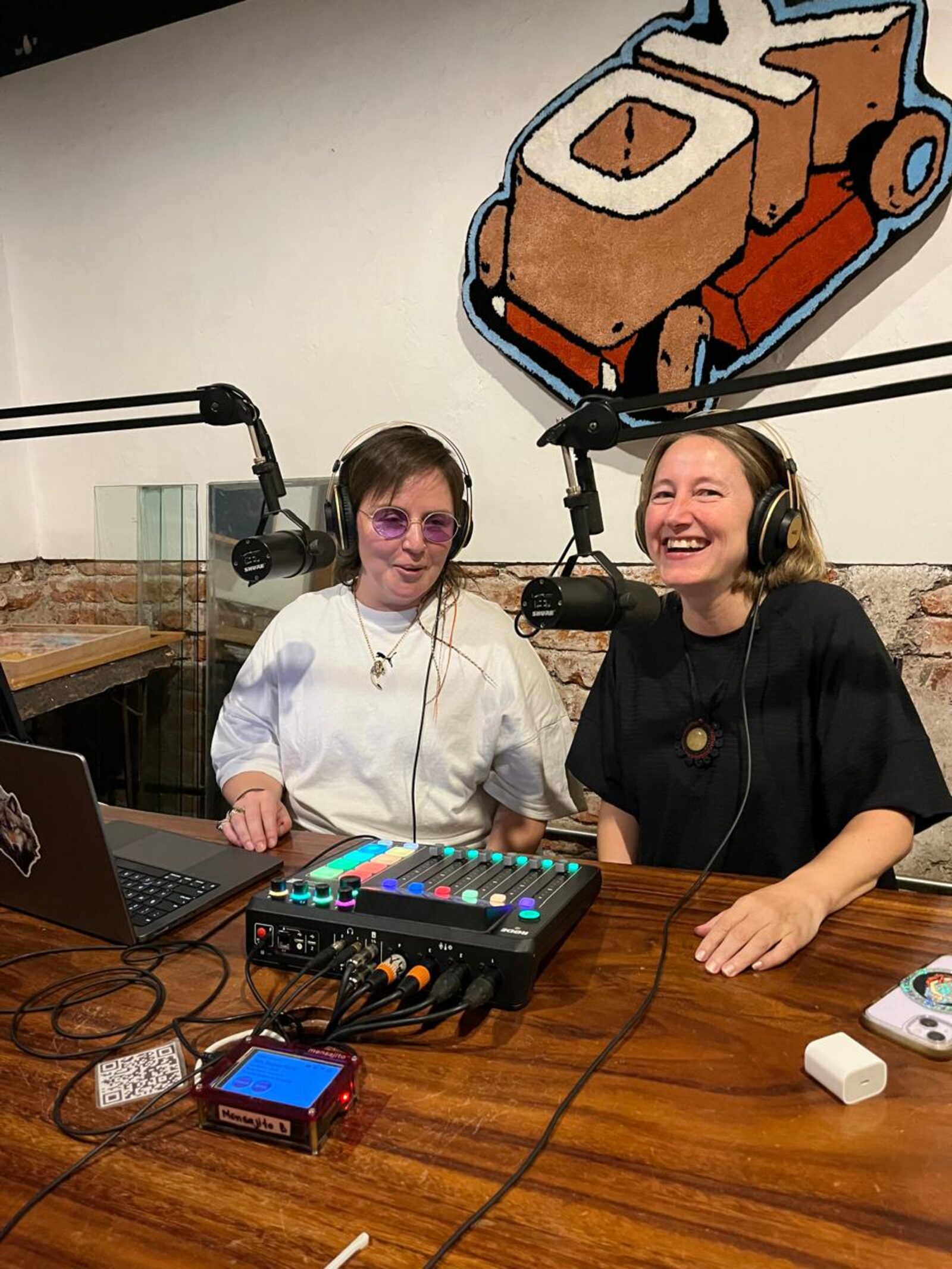
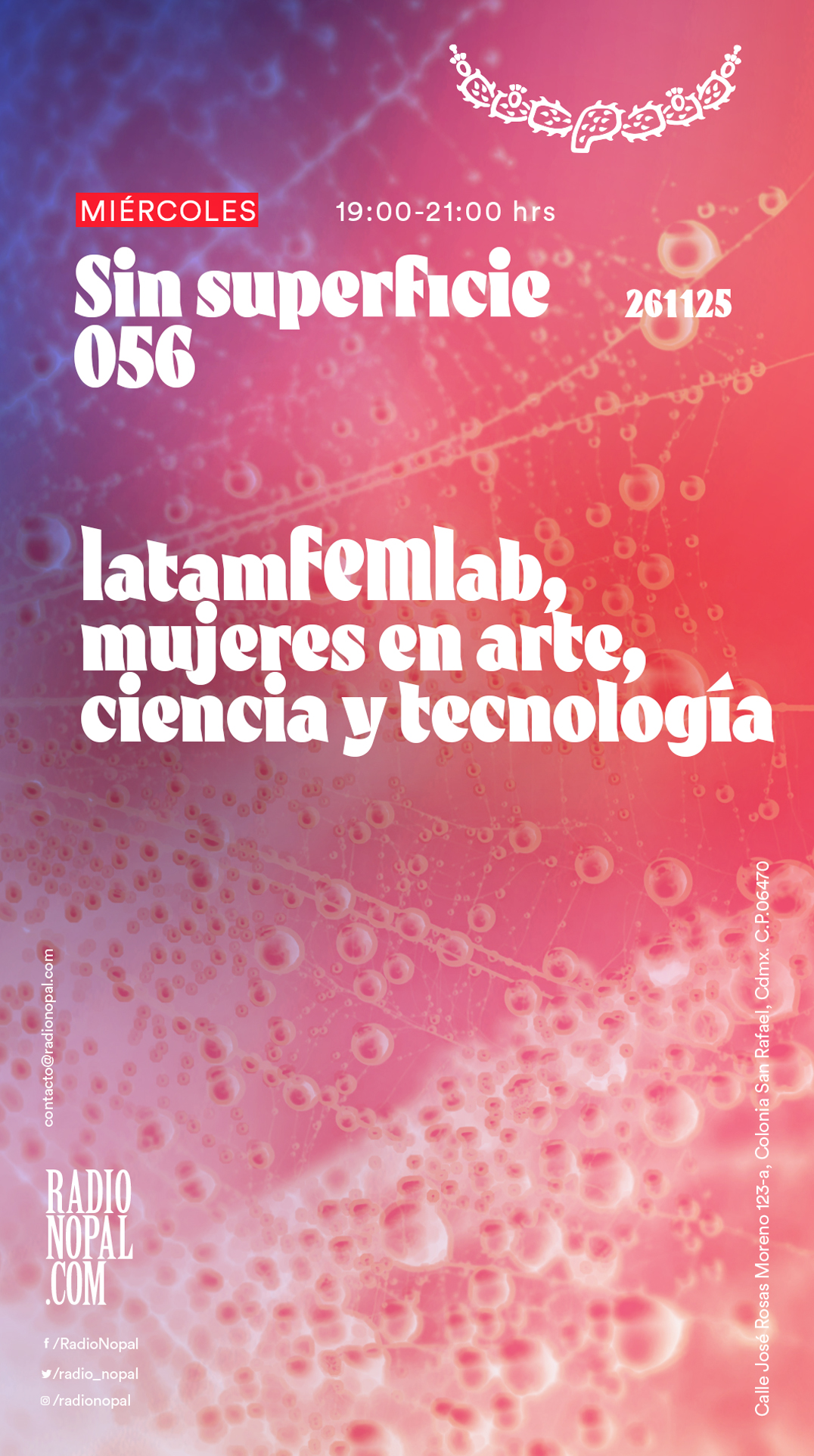
Leena Lee also held a conversation with Linda O'Keeffe on Radio Nopal, as part of the program Sin Superficie, focusing on listening, acoustic ecology, and the relationships between memory and climate.
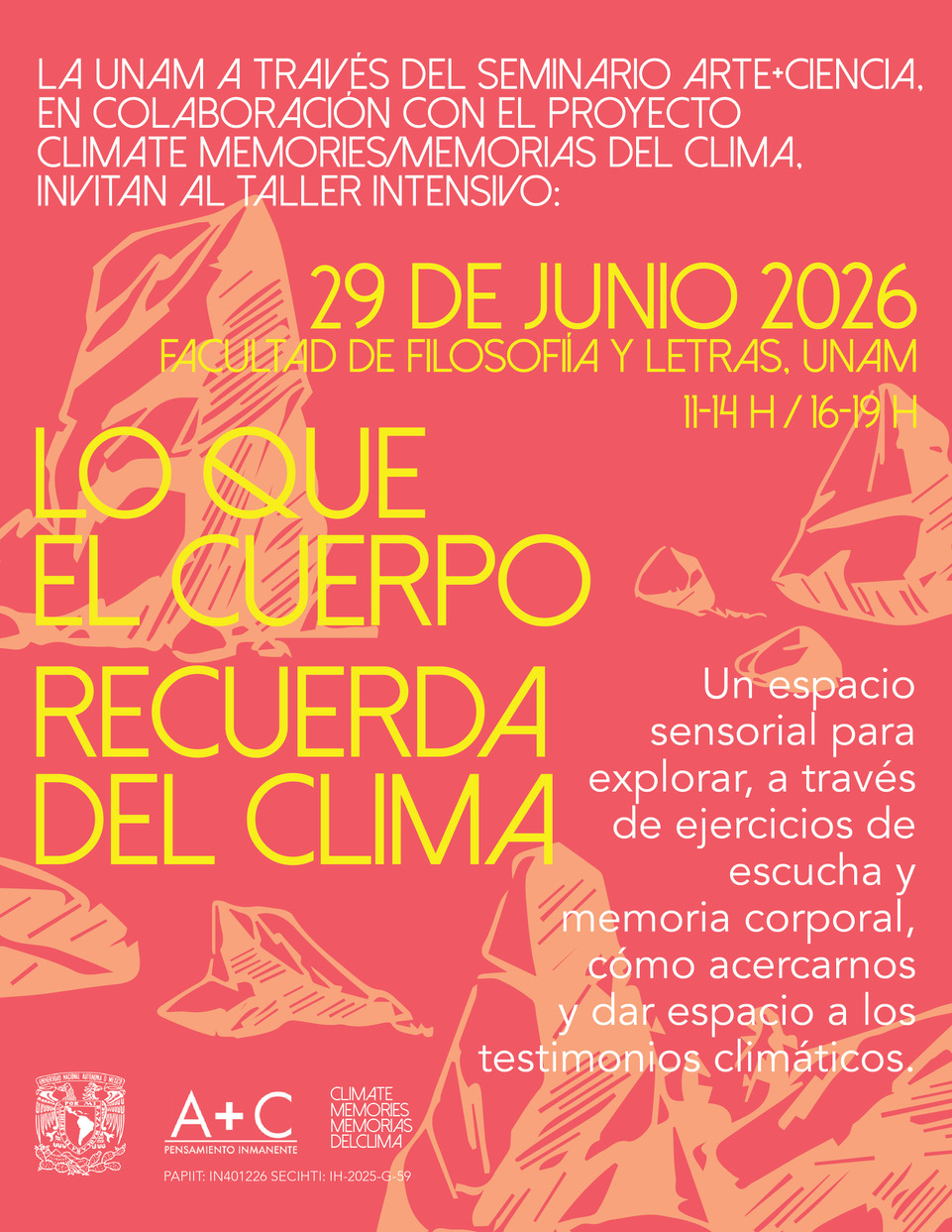
The intensive workshop What the Body Remembers of the Climate took place at UNAM's Faculty of Philosophy and Letters. Through exercises in listening, perception, and embodied memory, the workshop invited participants to recognize climate as an experience inscribed in the body and created a space for sharing climate testimonies.
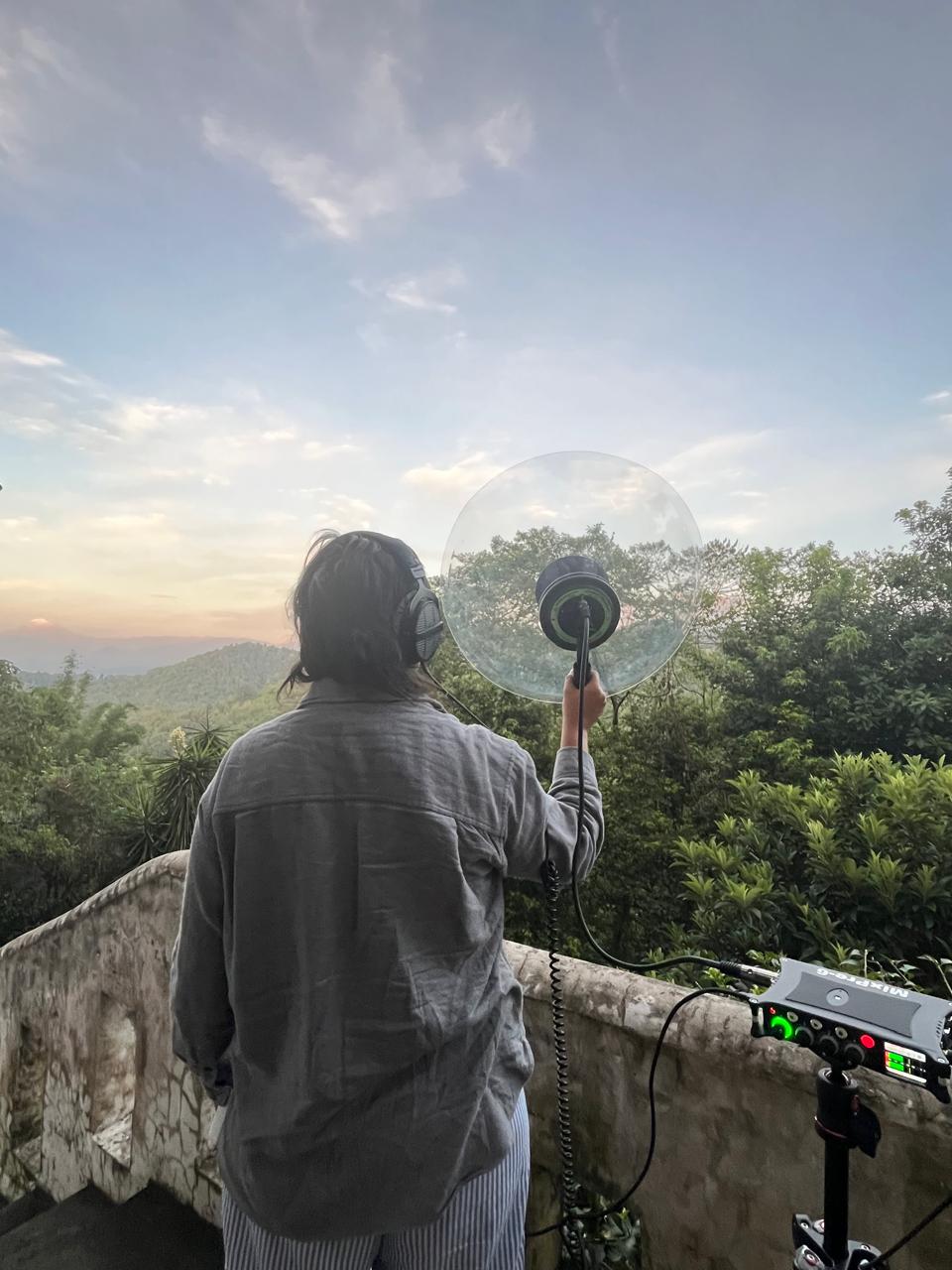
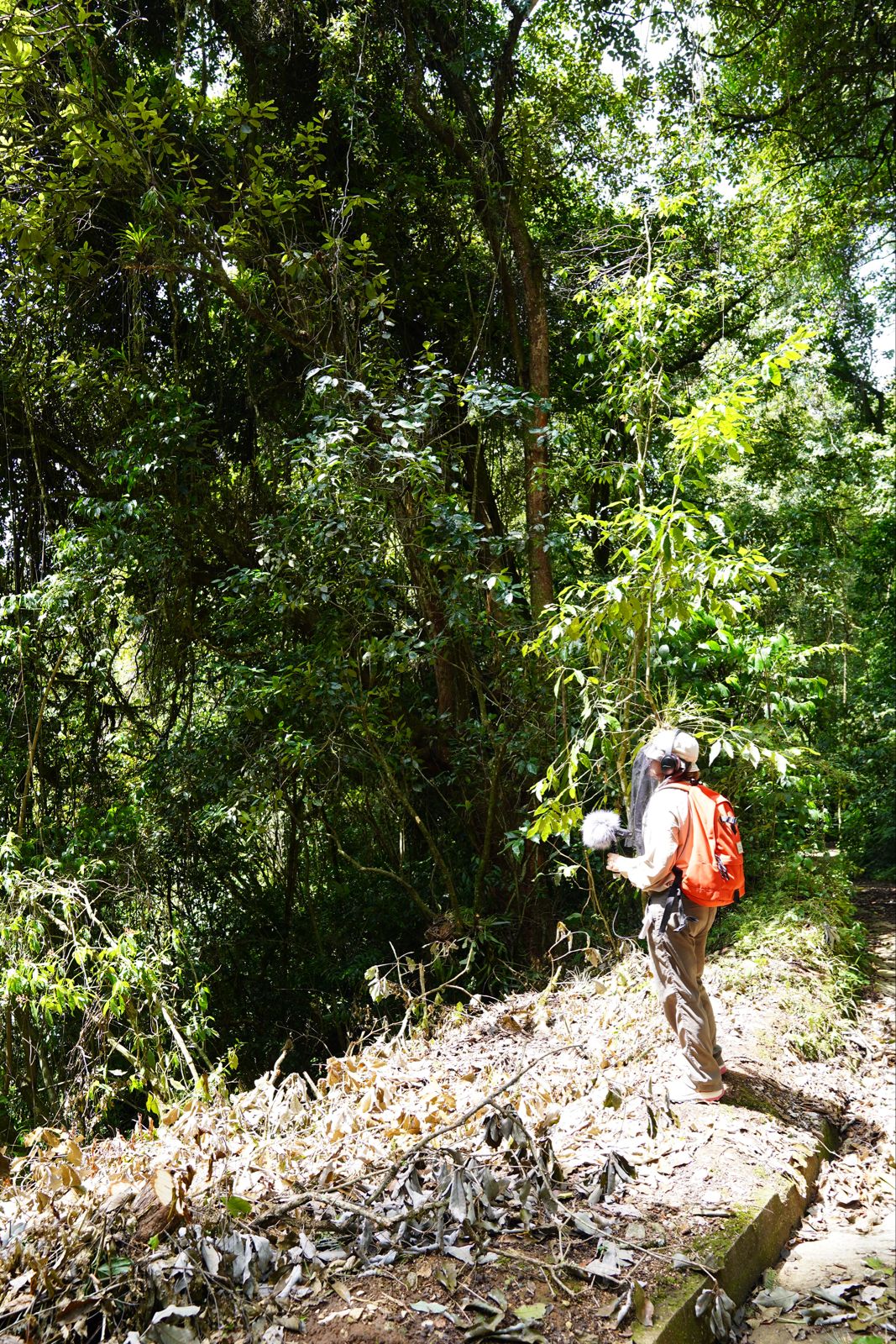
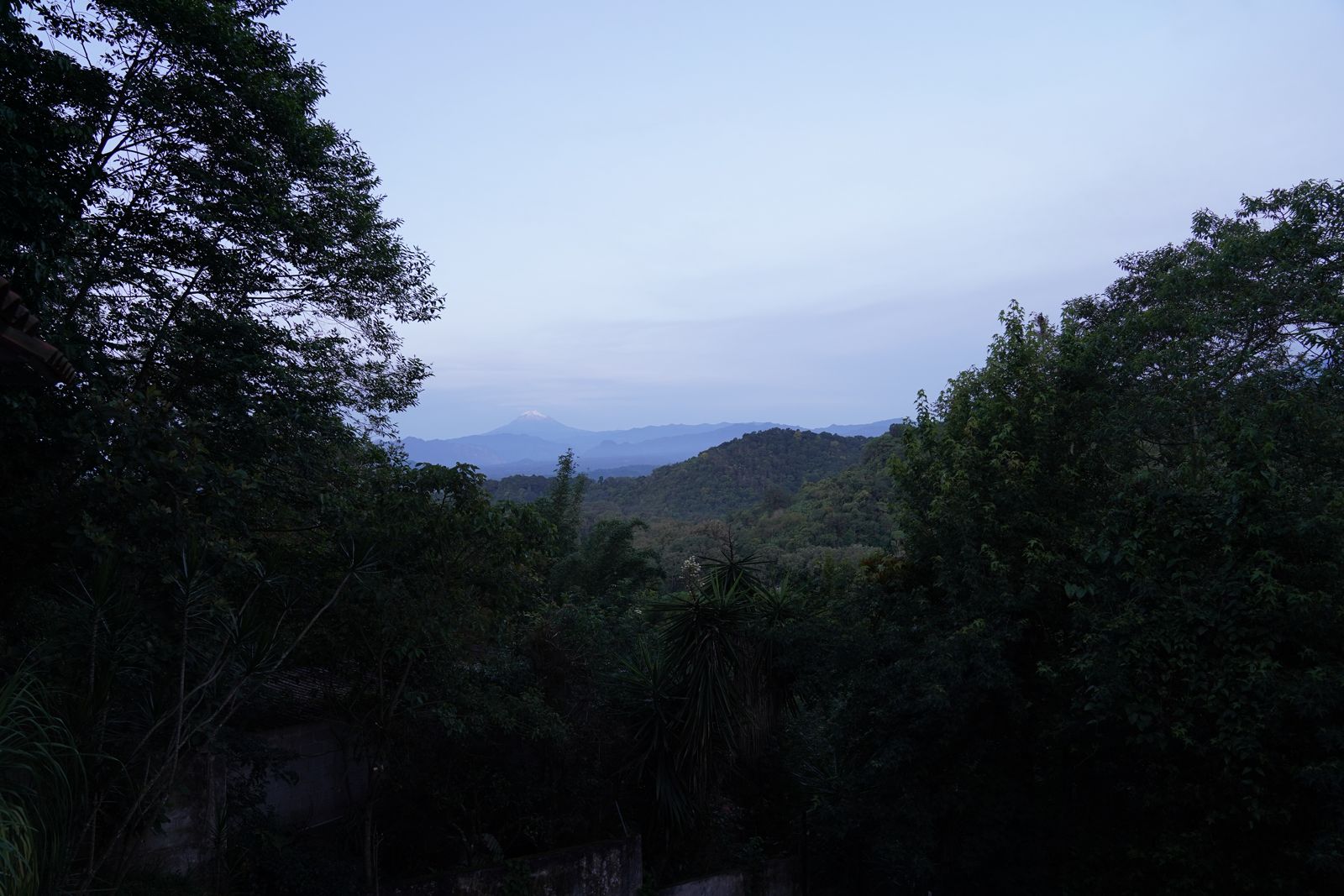
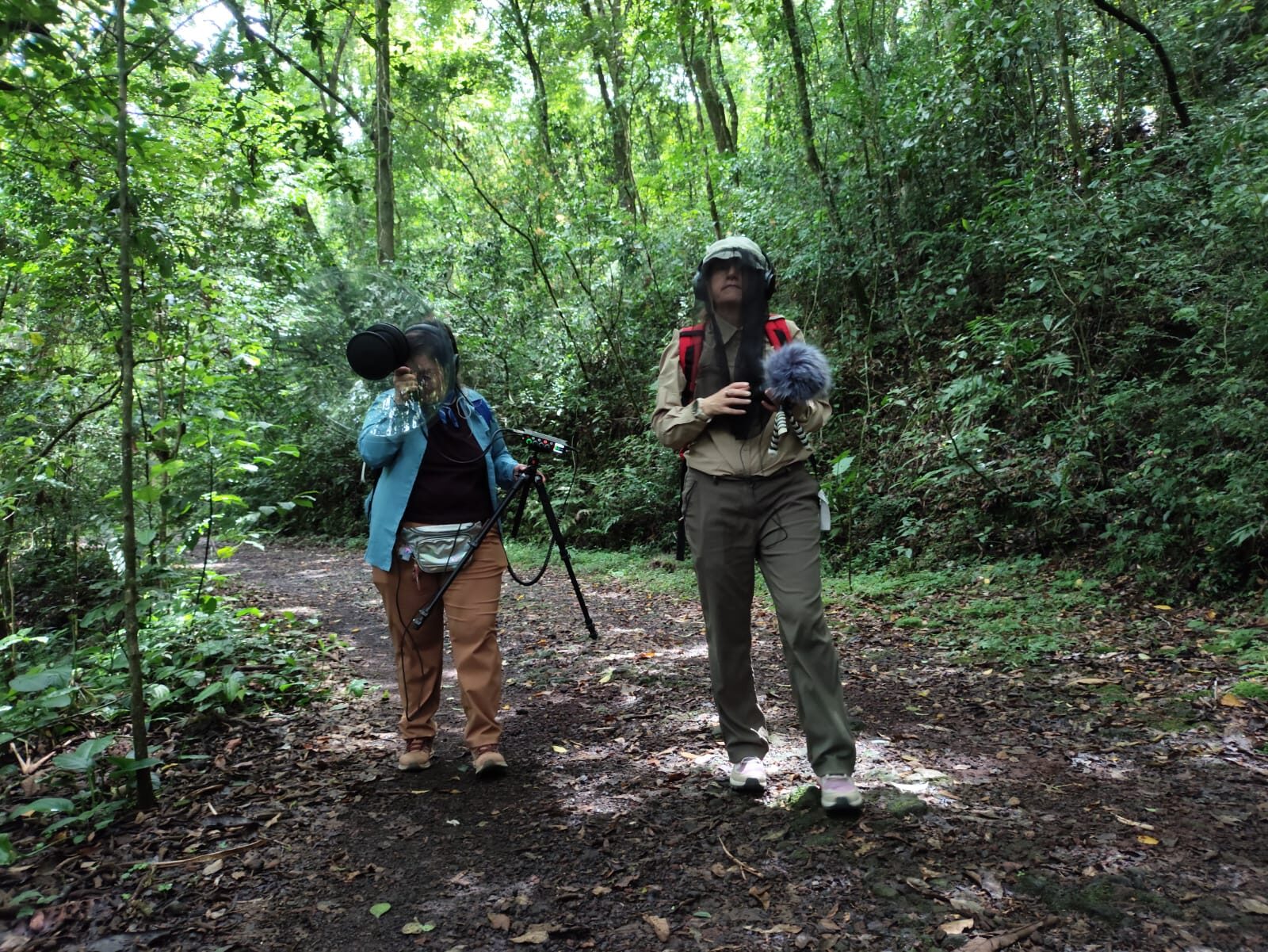
The residency also included a field research stay in the cloud forest of Xalapa, carried out in collaboration with Fernando González-García of the Institute of Ecology. The program included field visits, conversations on biodiversity and ecological monitoring, and sound-recording sessions.
Listening to the Earth: Arte+Ciencia in the Mixteca Alta
What stories does a soil hold? What can its colors, textures, minerals, and the materials gradually incorporated into it tell us?
Arte+Ciencia carried out a field research stay at the UNESCO Global Geopark Mixteca Alta in Oaxaca to explore the relationships between geology, community practices, cultural memory, and environmental transformation, bringing together philosophy, geography, geology, biology, visual arts, art history, and sound creation.
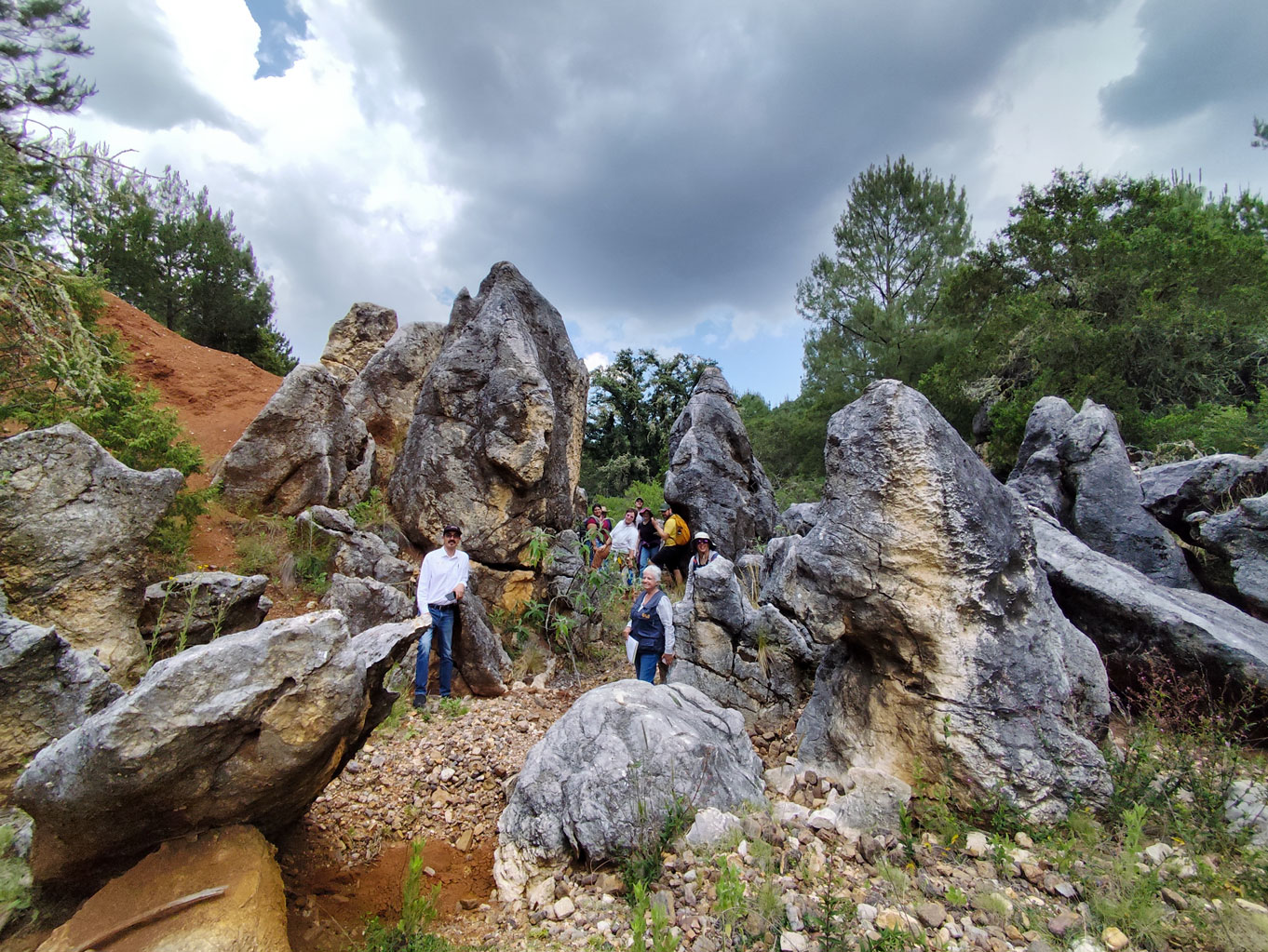
Along the geotrails of Santo Domingo Yanhuitlán, Santo Domingo Tonaltepec, San Bartolo Soyaltepec, and San Pedro Añañe, the team observed paleosols, fossils, gullies, sedimentary formations, pink soils, and traditional water-management systems. At each site, samples were collected to study microplastics, minerals, pigments, and other anthropogenic materialities present in the territory.
The colors of the earth became one of the guiding threads of the journey. Visits to clay extraction sites and encounters with potters, guides, and local residents revealed the relationships between local clays, artisanal techniques, the transmission of knowledge, and the memory of the landscape. The earth appeared not only as geological matter, but also as a material of labor, care, representation, and belonging.
The field stay also included conversations on erosion, biodiversity, community conservation, agriculture, water management, and the reuse of waste. We learned to read the soil through its materials, its sounds, and the voices of those who inhabit it: to recognize the earth as a living archive where the planet's deep history meets the transformations of the present.
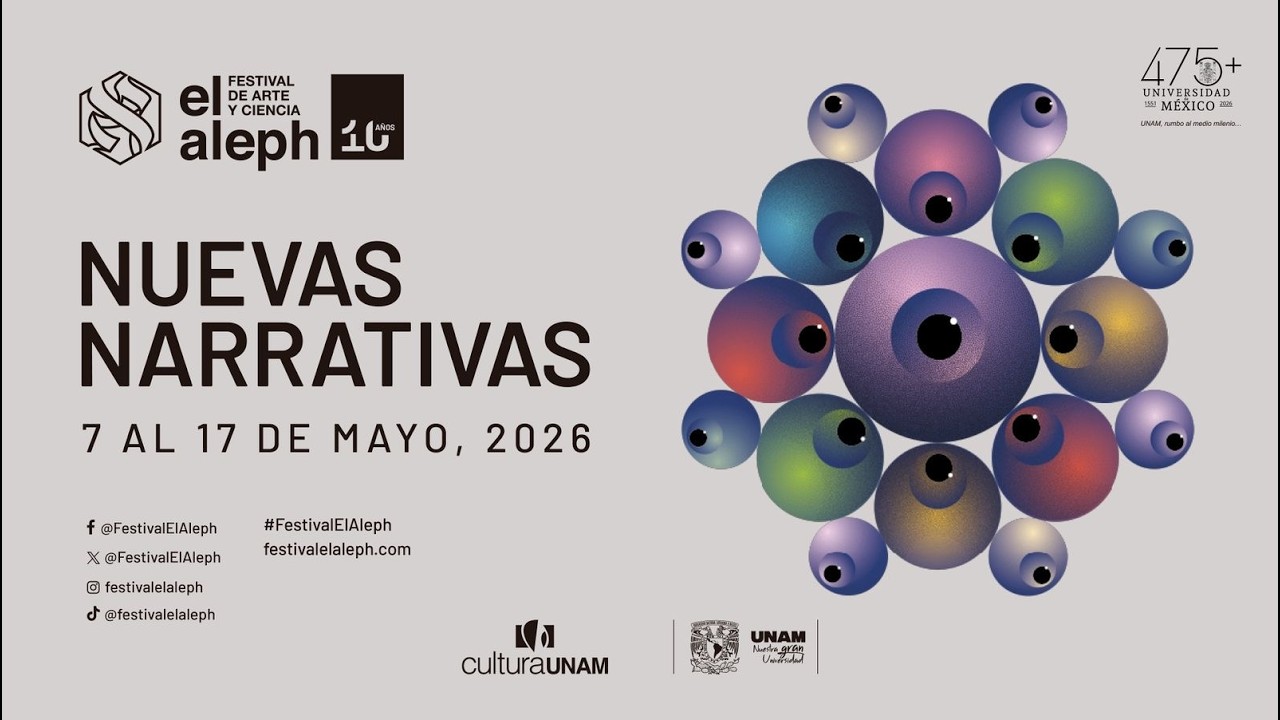
Arte+Ciencia at El Aleph. Art and Science Festival 2026
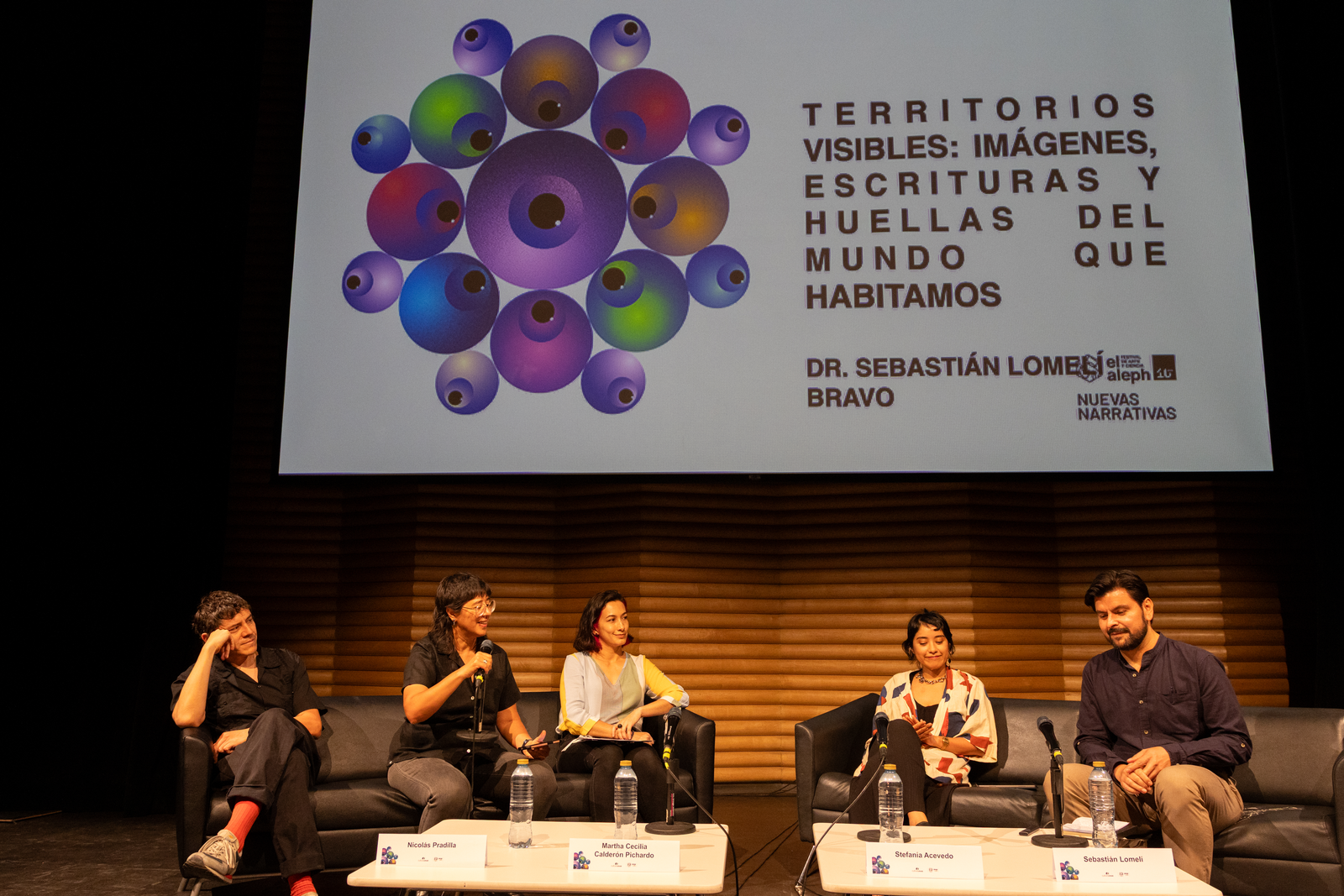
Roundtable: Visible Territories: Images, Writings, and Traces of the World We Inhabit
How do we read the world? How do we write it? Who has the capacity to interpret and reinvent it? This roundtable brought together members of UNAM's Arte+Ciencia Seminar to reflect, from different disciplinary perspectives, on the relationship between the ways we represent the planet and the material, ecological, and technological transformations that are reshaping it. The presentations addressed scientific images as ways of knowing and sensing the world, the landscapes of the Anthropocene, and the traces of human activity on the Earth.
The conversation also extended the question of writing beyond the human, attending to the marks that plants, insects, and bacteria inscribe in the territories they inhabit. It further examined the materiality of the digital world and the water and energy consumption of its infrastructures, taking as a case study the data centers installed in Querétaro. Reading the world, the roundtable proposed, requires attending to the images, discourses, and material, biological, and technological traces that run through our territories.
Participants: Stefanía Acevedo, Martha Cecilia Calderón Pichardo, Sebastián Lomelí, and Nicolás Pradilla.
Walking on Rock: Attentive Listening and Experimentation in a Volcanic Landscape
Arte+Ciencia participated in the 2026 edition of El Aleph, UNAM's Festival of Art and Science, with Walking on Rock: Attentive Listening and Experimentation in a Volcanic Landscape, a guided walk through the Espacio Escultórico at Ciudad Universitaria. The activity invited participants to explore the volcanic landscape of the Pedregal through the body, sound, and observation, attending both to the materiality of basalt and to the multiple temporalities that intersect within this territory.
Throughout the walk, participants moved slowly across the uneven surface of the volcanic rock, becoming aware of its texture, resistance, and instability. This deliberately unhurried pace allowed walking to become a form of embodied listening: the aim was not only to observe the landscape, but also to feel how geology shapes movement, alters posture, and demands constant attention. From this experience emerged the idea of a “stony sense,” an imaginative approach to the transformation of lava into rock and to the temporal scales of geological history.
The walk included an introduction to the formation of the soils of Ciudad Universitaria and to the history of the Espacio Escultórico as an artistic intervention in the volcanic landscape. Participants reflected on the ways in which the construction of the university campus, urbanization, and human practices have transformed the Pedregal, as well as on the relationship between the sculptures, the circular arrangement of the site, and the material presence of solidified lava.
At different points along the route, participants carried out listening and sound experimentation exercises. Using their hands, stones, branches, and other found objects, they struck, scraped, and rubbed the rocks in order to explore their acoustic differences. The density, porosity, texture, and size of each fragment produced variations in sound, making it possible to approach basalt not as inert matter, but as a surface capable of resonating, transmitting vibrations, and revealing distinct material qualities.
These exercises were accompanied by questions about deep time: how can we listen to a rock? What temporalities does it contain? How does its geological history relate to the more recent transformations of the territory? Listening was thus connected to a broader reflection on the formation of the Pedregal, the extraction of materials, urban expansion, and the growing presence of substances and objects produced by human activity.
During the final part of the walk, participants collected small fragments of plastic, metal, glass, textiles, and other forms of waste found among the rocks. The objects were observed, drawn, classified, and used as starting points for short stories or poetic descriptions concerning their origin, circulation, and possible permanence in the landscape. This activity opened a discussion on anthropogenic materials as future technofossils and on the difficulty of imagining natural reserves as spaces separated from human intervention.
Walking on Rock was an invitation to slow down, sharpen attention, and recognize the landscape as a living space in continuous transformation. The experience asked participants to hold together the geological temporality of basalt, the cultural and urban history of Ciudad Universitaria, and the future persistence of the synthetic materials that are now becoming incorporated into the soil.
Participants: Leena Lee, Minerva H. Trejo, Eva Hernández, María Antonia González Valerio, Silke Cram, Pilar Fernández, and Mario Cayetano.
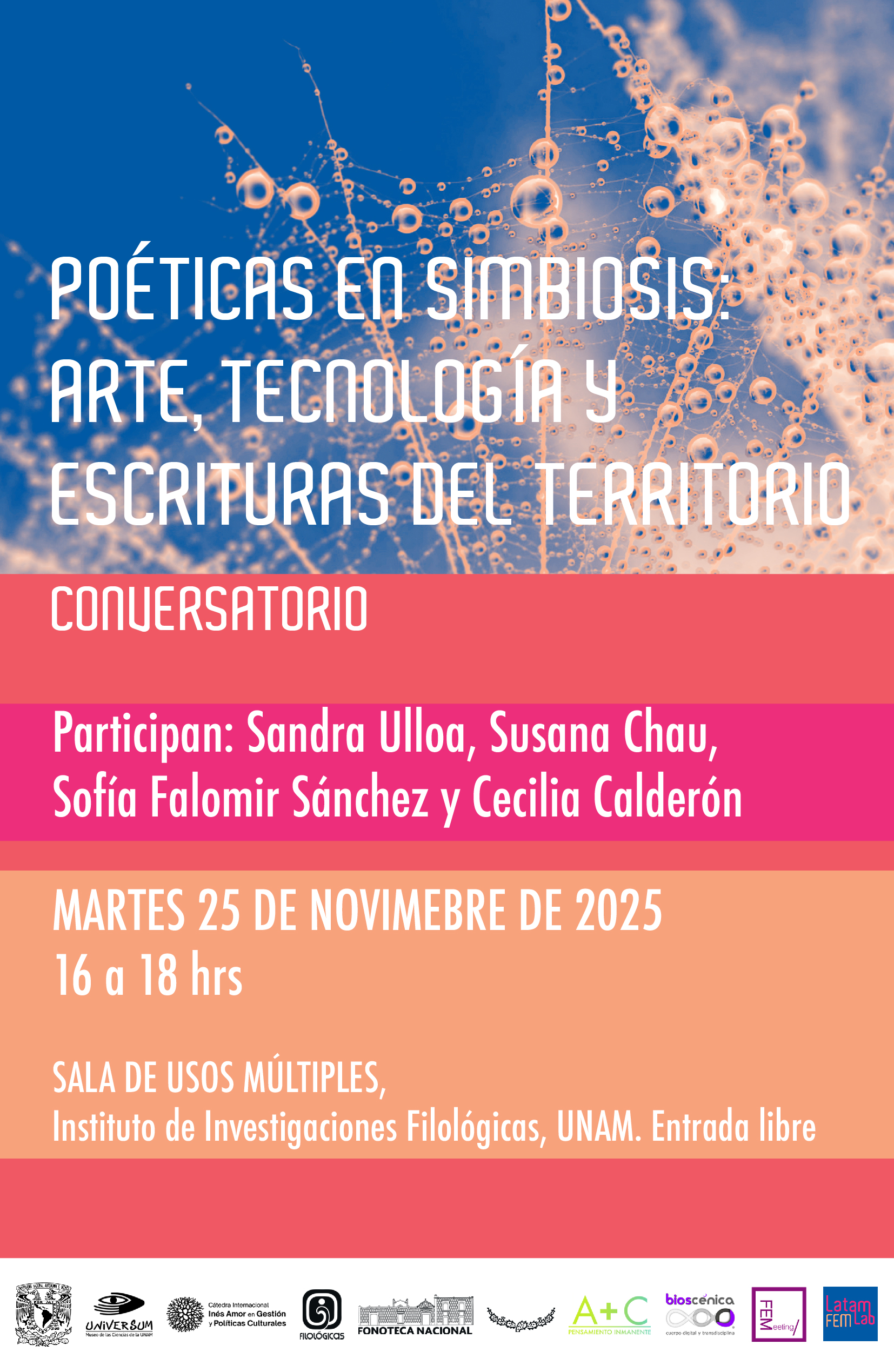
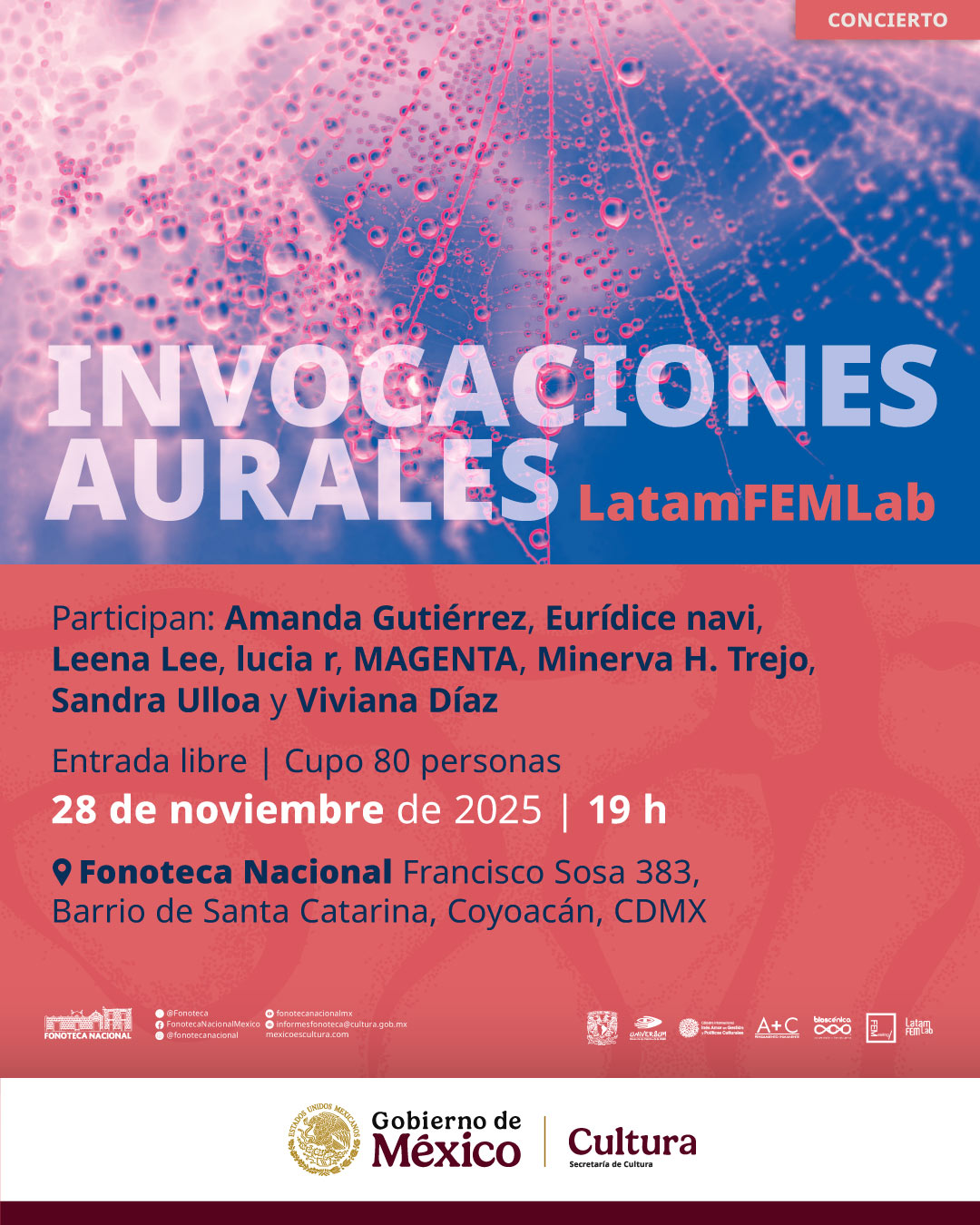
Women in Art, Science and Technology — LatamFem Lab 2025
November 25–29, 2025. As part of the international network FEMeeting: Women in Art, Science and Technology, the LatamFem Lab 2025 gathering took place, organized by María Antonia González Valerio, Lena Ortega Atristain, and Minerva H. Trejo, in collaboration with UNAM's Arte+Ciencia and Bioscénica: cuerpo digital y transdisciplina.
LatamFemLab 2025 seeks to consolidate and expand a collaborative network for the exchange of transdisciplinary projects at the intersection of art, science, and the humanities. From this synergy, it will foster initiatives that respond to contemporary challenges from a critical and innovative perspective, challenging traditional forms of knowledge and promoting approaches that engage with contemporary social, political, technological, and cultural realities.
Participants in this first edition included: Ale de la Puente, Amanda Gutiérrez, Anni Garza Lau, Berenice Olmedo, Cecilia Delgado Masse, Cinthya García Leyva, Cynthia Villagómez, Deborah Dorotinsky, Edith Medina, Edith Vázquez, Eurídice Navi, Eva Hernández, Gabriela Aceves-Sepulveda, Gemma Argüello, Ilana Boltvinik, Julia Carrillo, Laura Balboa, Leena Lee, Leslie García, Lorena Mal, Lucía Rodríguez, MAGENTA, Malitzin Cortés, María Antonia González Valerio, Melissa García Aguirre, Minerva H. Trejo, Monica Nepote, Myriam Beutelspacher, Paola Everardo, Paz Sastre, Rossana Lara, Sandra González Santos, Sandra Romero, Sandra Ulloa, Sofía Falomir, Susana Chau, Tania Aedo, Tania Ximena, and Viviana Díaz.
Following this first launch, women across Latin America are invited to join the second edition.
Program
Spaces of Resistance
“Spaces of resistance. Inaccurate catalog of nature on the edges of a city” is a project of Arte+Ciencia and Bios ex Machina that reflects on the ways of being of nature in urban enclaves. It seeks to understand our dealings with the environment from a critical perspective that questions the history of urbanization in Mexico City.
Nature is in a continuous dialogue with urbanism, where negotiations have depended on different axes of organization, being the agricultural and vehicular its main coordinates. The city has been transformed countless times, and its growth has overflowed beyond the margins that, at some point, were considered natural geological boundaries, such as the pedregal of San Angel.
The territory known as “Cantera Oriente”, part of the Ecological Reserve of the Pedregal de San Ángel (REPSA) administered by the UNAM, has served as the axis of reflection to carry out fieldwork in which different (dis)appearances of nature in a city environment are explored.
The exhibition was at Centro Cultural de España en México in 2023.
New publications
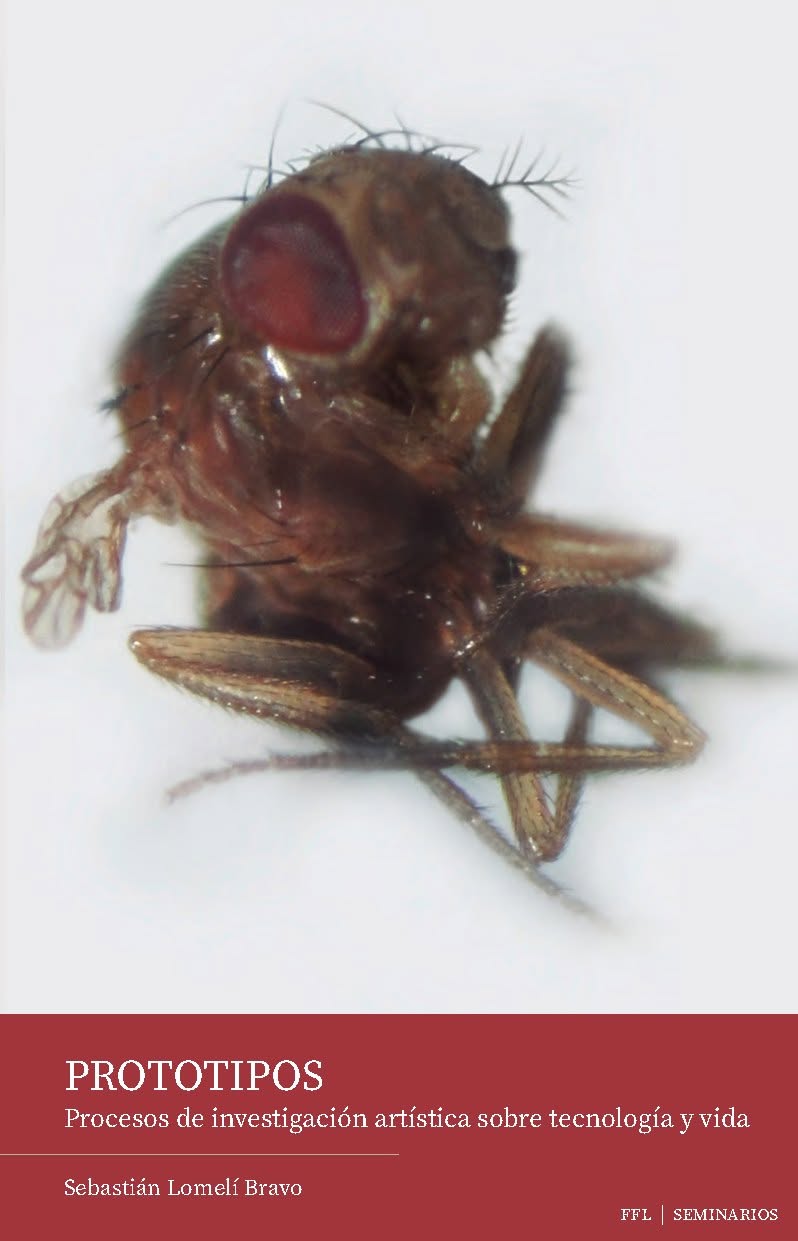
Prototipos. Procesos de investigación artística sobre tecnología y vida
Sebastián Lomelí Bravo · FFL / Seminarios, UNAM, 2025The argumental arc I have tried to defend is the shift from the transformation of art through research —in order to confront the complexity characteristic of our situation— to the creation of concepts that I believe are precise for analyzing the way in which these artistic practices deal with the fluidification of entities and circumstances. The point of support is the analysis of art with technology, especially that devoted to the investigation of life and biotechnology.
View book
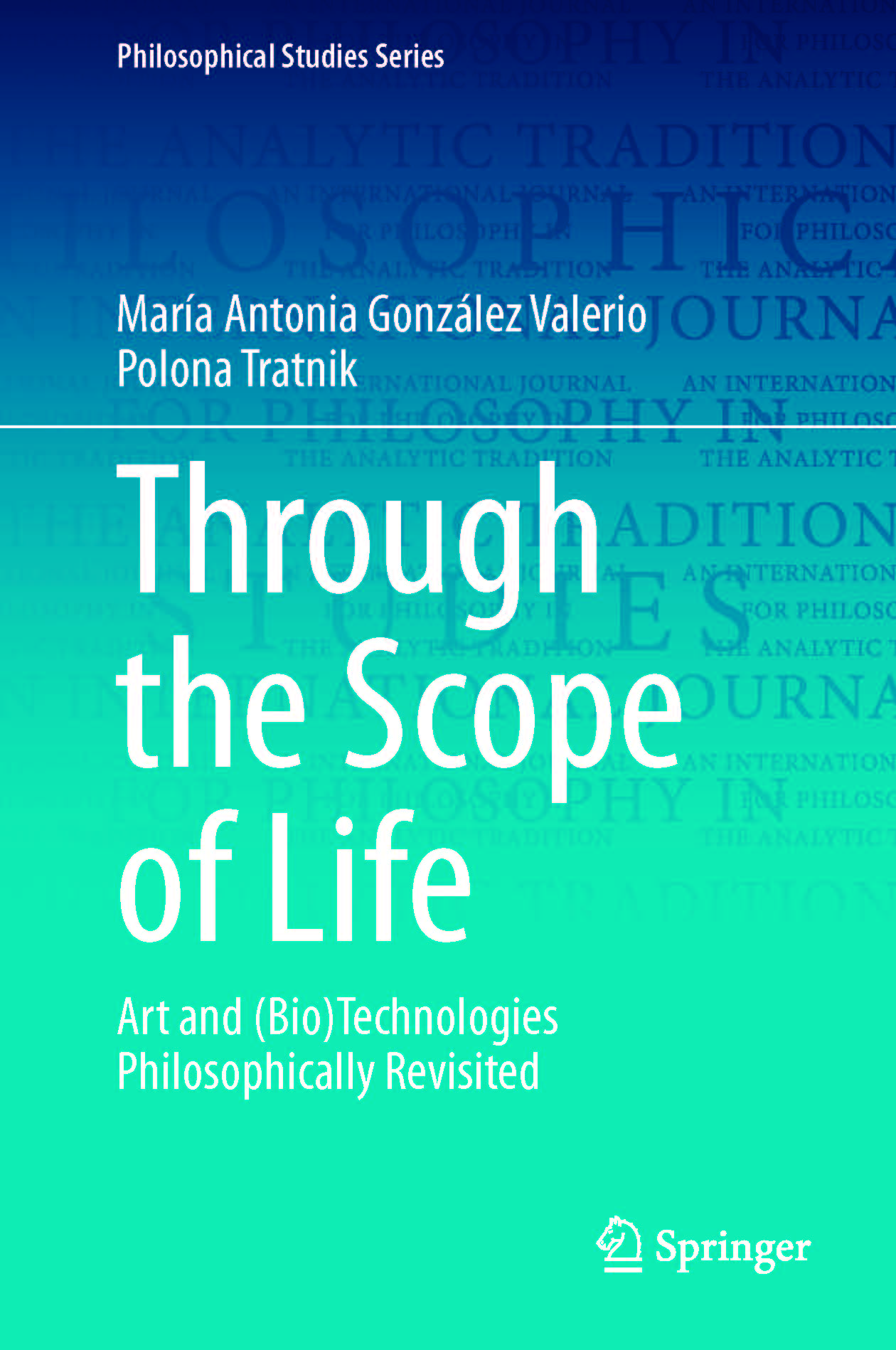
Through the Scope of Life
María Antonia González Valerio, Sebastián Lomelí Bravo (eds.) · Springer, 2023This book offers intriguing philosophical inquiries into biotechnological art and the life sciences, addressing their convergences as well as their epistemic and functional divergences. It builds on critical and ontological thought to interpret the concept of life that underscores first-hand dealings with matter and experimentation, and delivers fresh posthumanist perspectives on the topics addressed.
View book
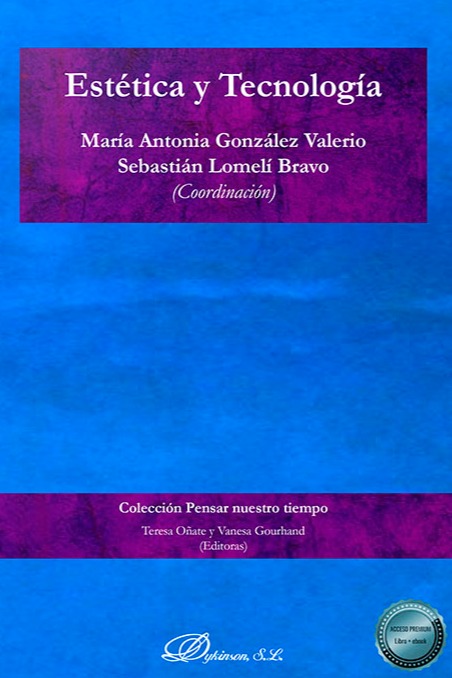
Aesthetics and Technology
María Antonia González Valerio · Dykinson, 2022The technical is not an addition to the human but one of the means by which we open ourselves to alteration; it places and arranges us in different places to link us with the familiar, the unseen and that which cannot be understood without its mediation. In this volume, we discuss basic ontology concepts and traditional distinctions between art and artefact and analyse concrete artistic works.
View book