Collective exhibition, international conference, LABCET transdisciplinary laboratory, live acts, workshops.
Festival N, of art, science and technology, counted with the participation of more than 100 artists, theoreticians, researchers and specialists of multiple disciplines and nationalities.
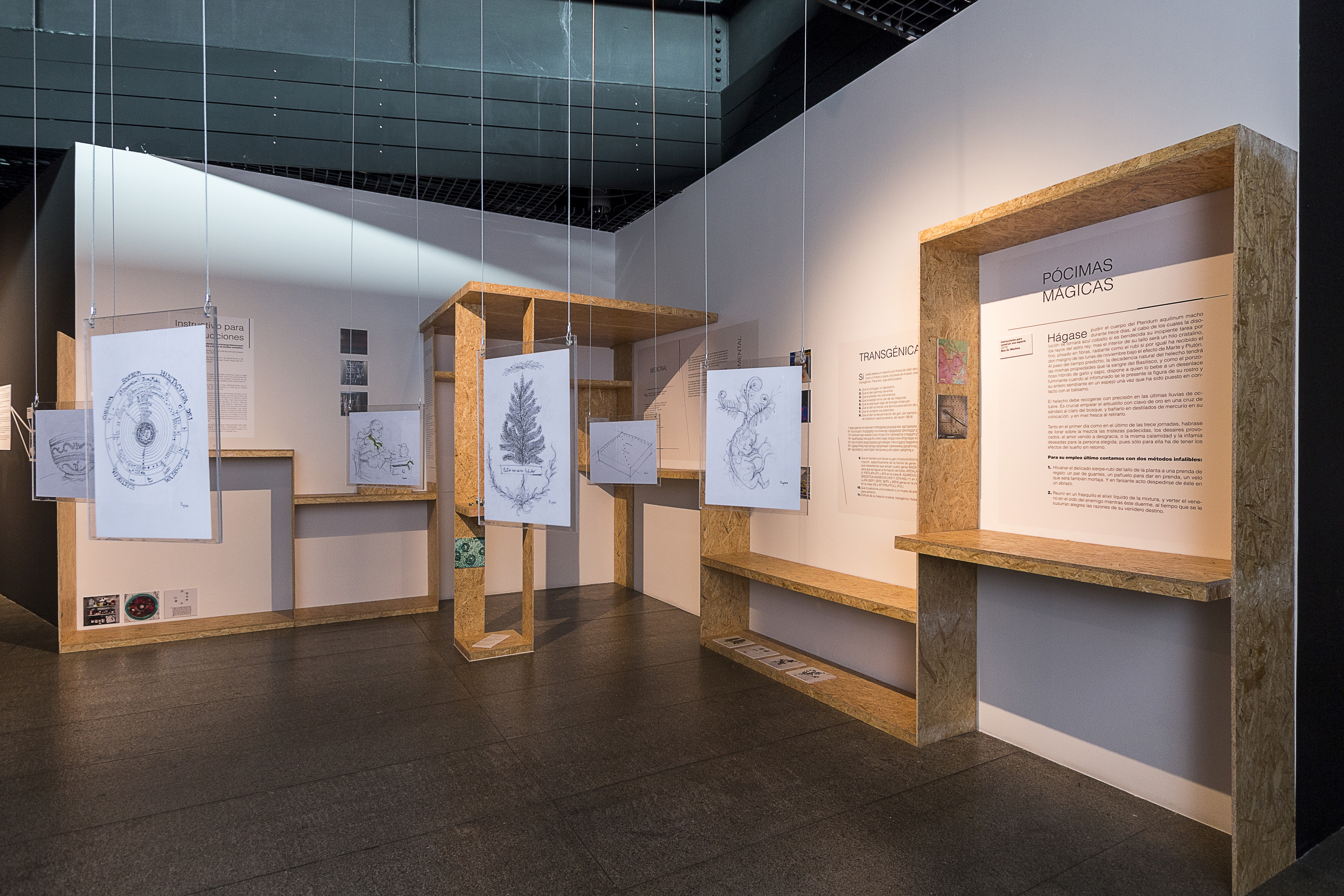
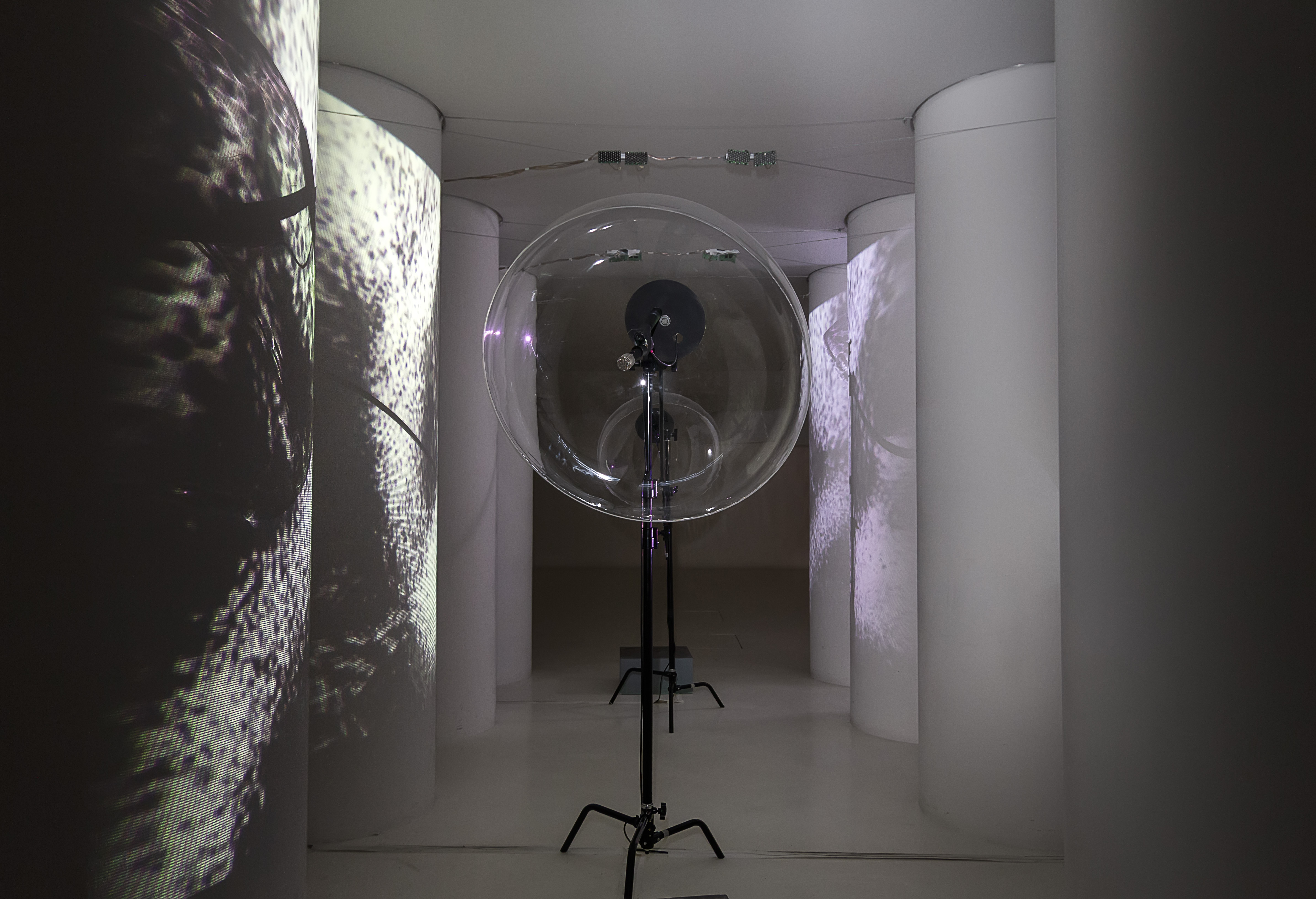
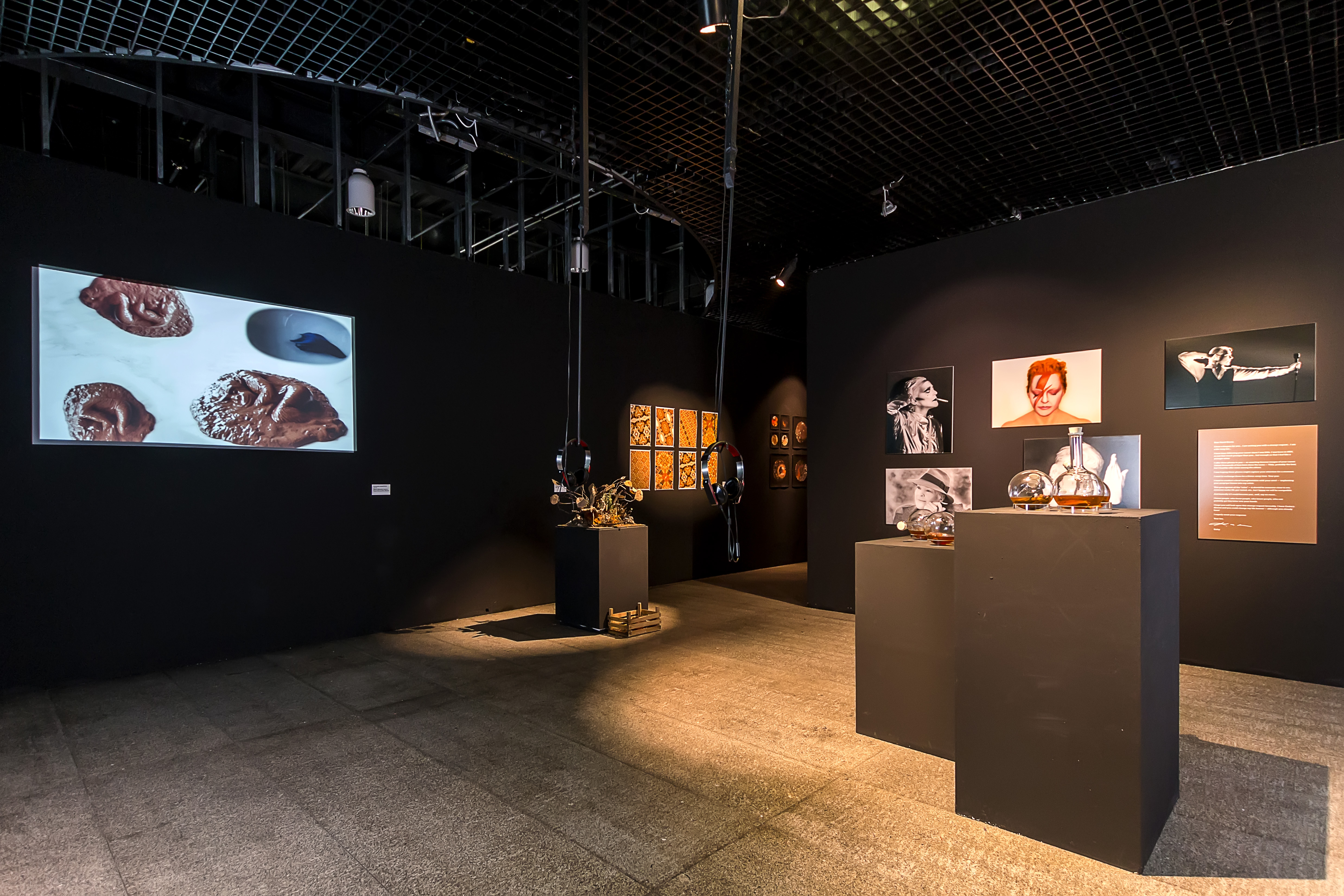
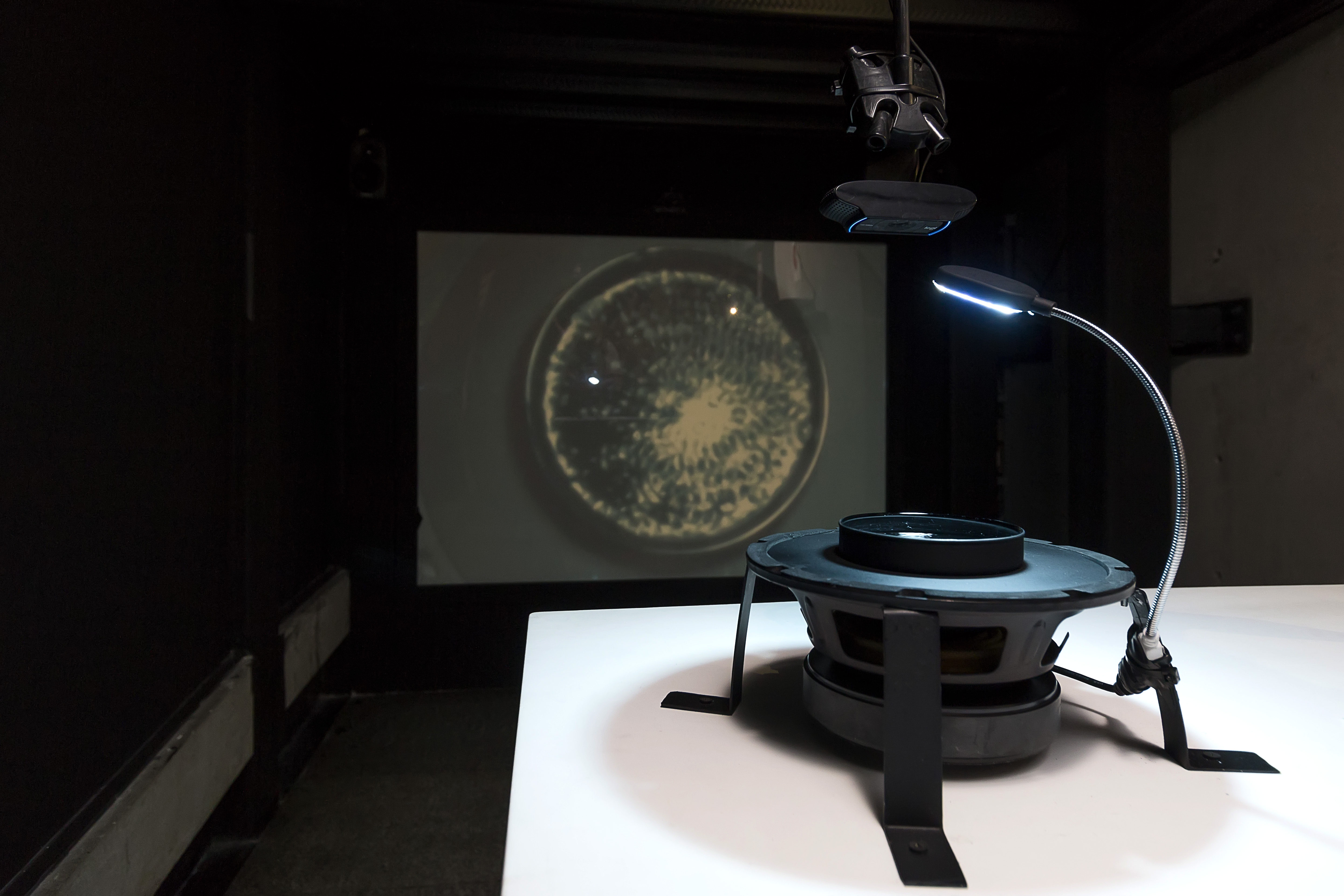
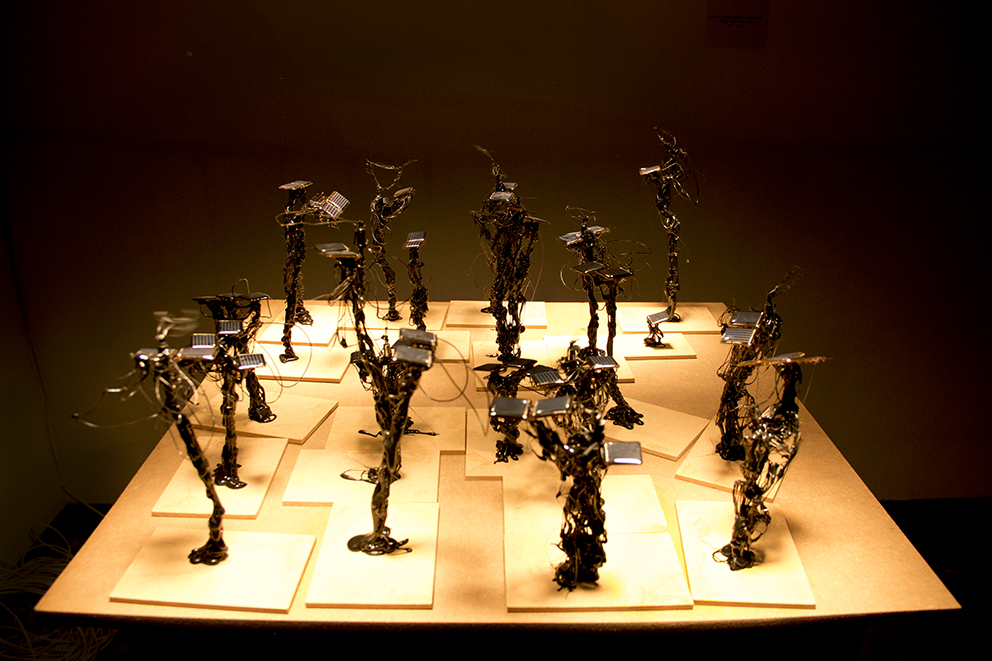
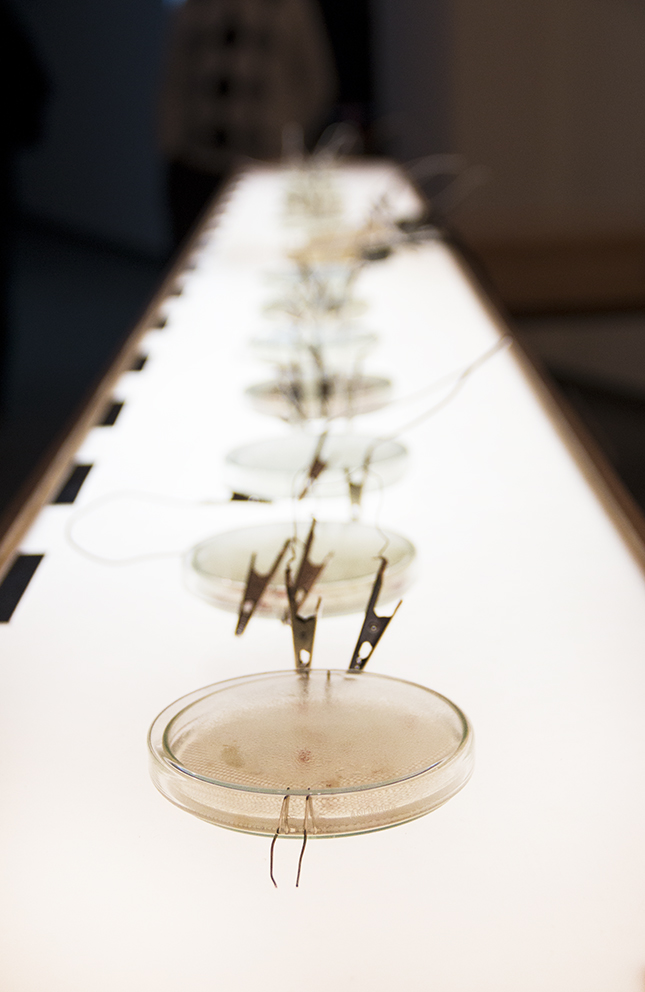
As part of Festival N, we held an international collective exhibition, “Spaces of Species,” with 14 pieces, at the Centro de Cultura Digital, in Mexico City, from November 2018 to February 2019. We invited recognized national and international artists in the Art-Science field to participate following the fundamental idea of thinking of space as something built and negotiated with and through multiple agents and agencies.
Space was considered the result of interrelationships based on the mutual dependence of environments and organisms. From this consideration we question the categories of adaptation, variation and speciation, which are debated in contemporary biology, which opposes the gene-centric paradigm and opts for an epigenetic perspective.
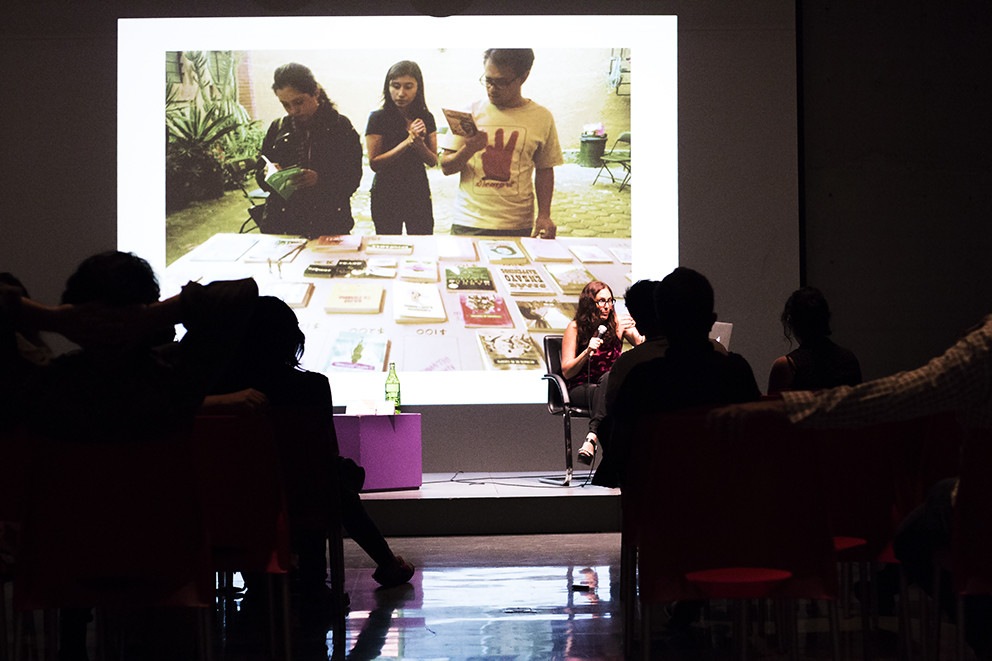
In addition to the exhibition, we organized and hosted the international congress Taboo, Transgression, Transcendence (TTT) with more than 90 speakers. Our artistic collective Bios ex Machina presented at Festival N an immersive installation, Instructions to Construct a Species, that questions contemporary taxonomies and sets forward the debate on the ideas of unity and multiplicity in the life sciences.
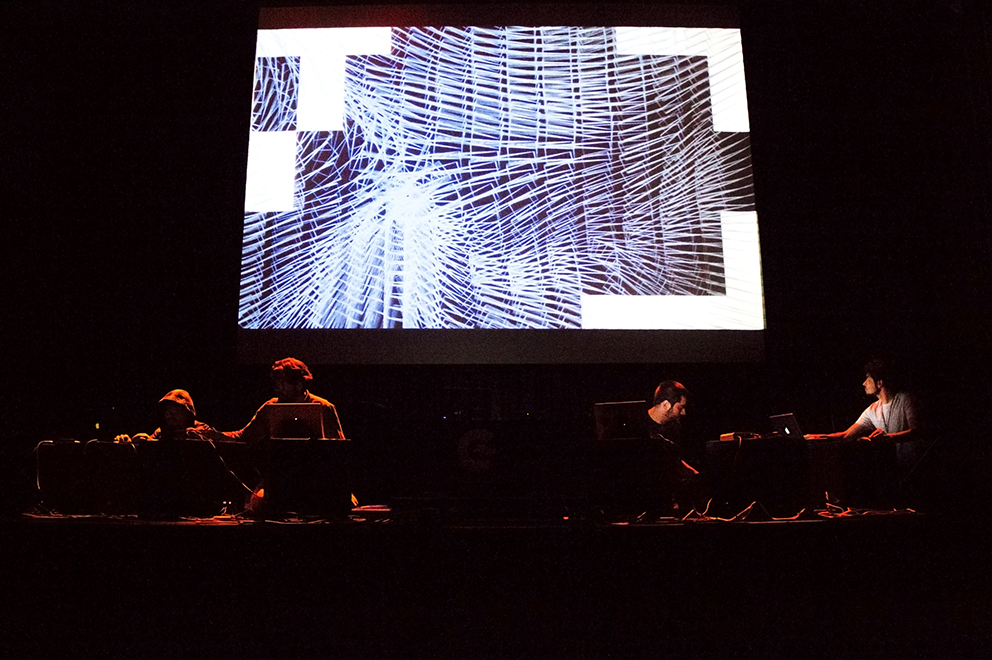
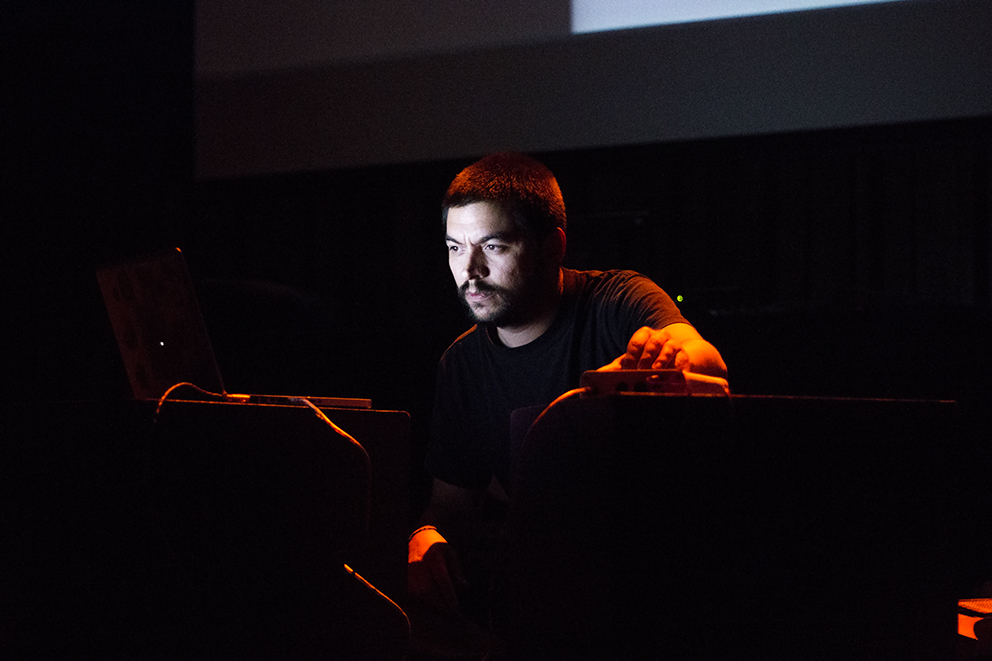
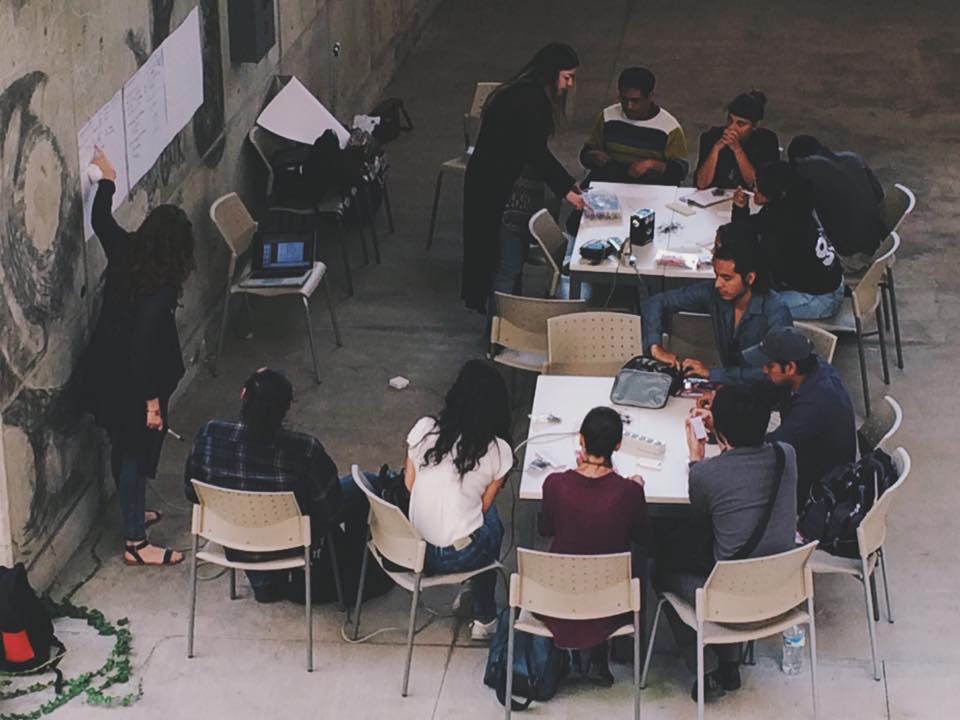
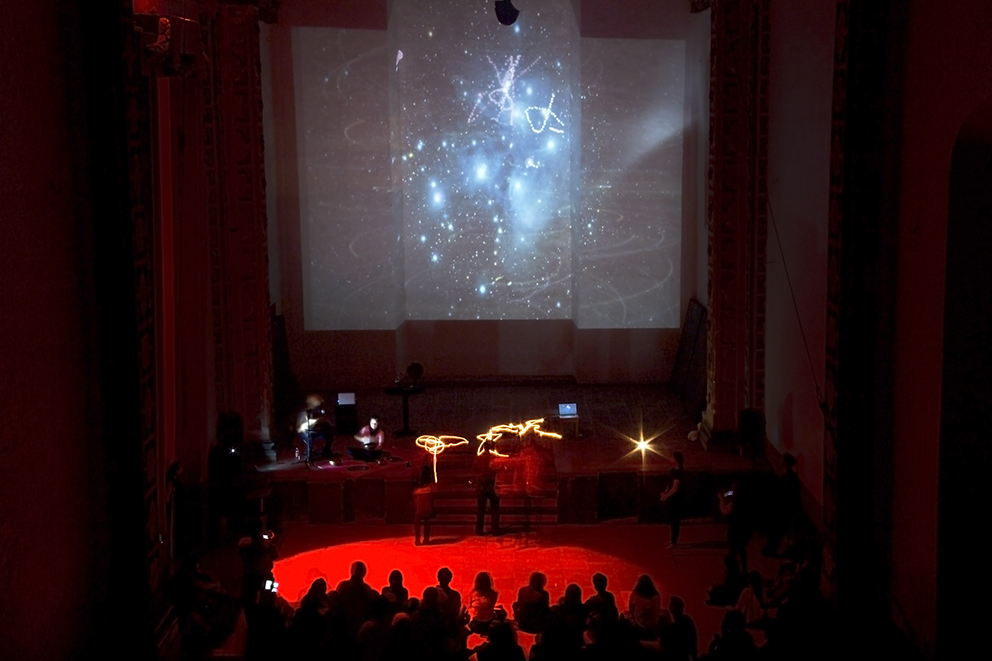
Transpiksel was an international festival of free art, science and technology, which in September 2016 featured a group exhibition, 19 workshops, 14 live acts and 12 conferences under a free license and collaborative and community processes. 44 artists and/or collectives participated, 35 Mexicans and 9 foreigners.
In the eagerness to think and question the art-science-technology relationship, Arte+Ciencia of UNAM in collaboration with Bioscénica decided to carry out an edition of the Norwegian festival Piksel in Mexico, bringing into play the factors that allow direct investigation of how to continue producing in interdisciplinary and international crossings in a way that is meaningful for the geo-local context.
Projects in the field of do-it-yourself, do-it-with-others, art with living media, and renewable and sustainable technologies were especially encouraged, bringing together creators, artists, inventors, students, academics and scientists across 7 venues: FAD, Postgraduate Unit and La Casita de las Ciencias at UNAM, as well as Centro Cultural España, Ex Teresa Arte Actual, Comitán 11 and Casa Tepepan.
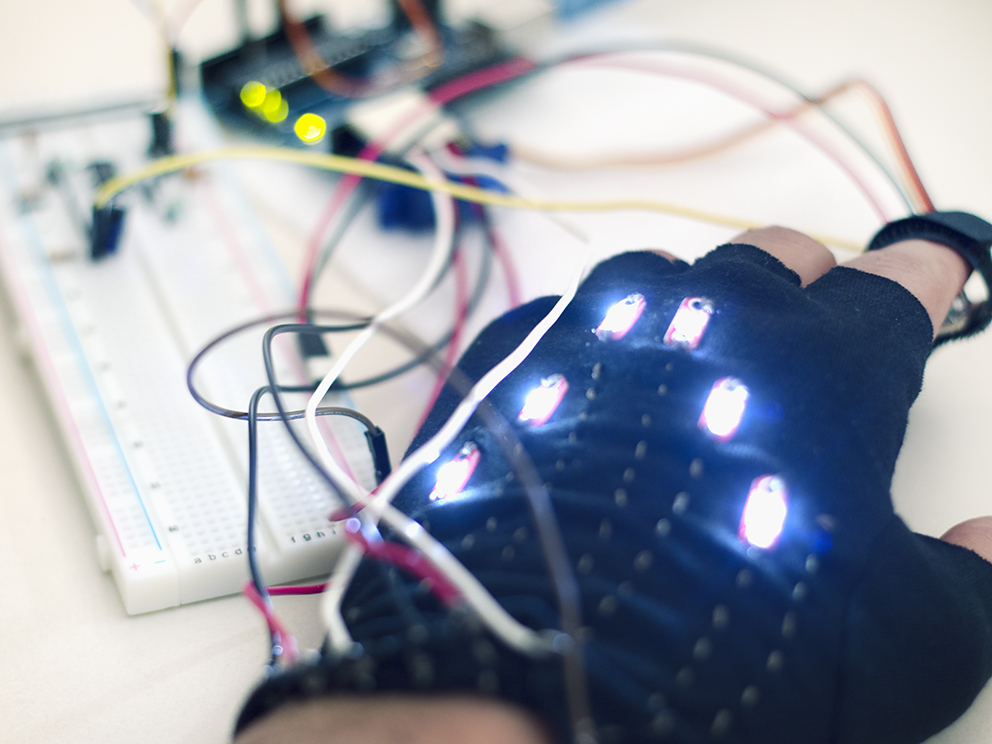
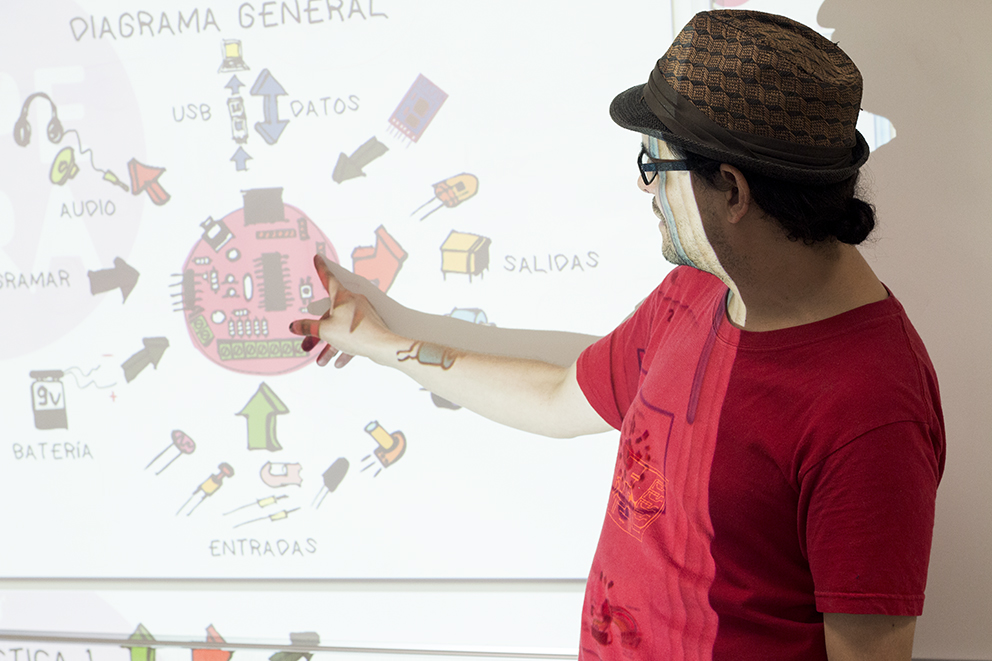
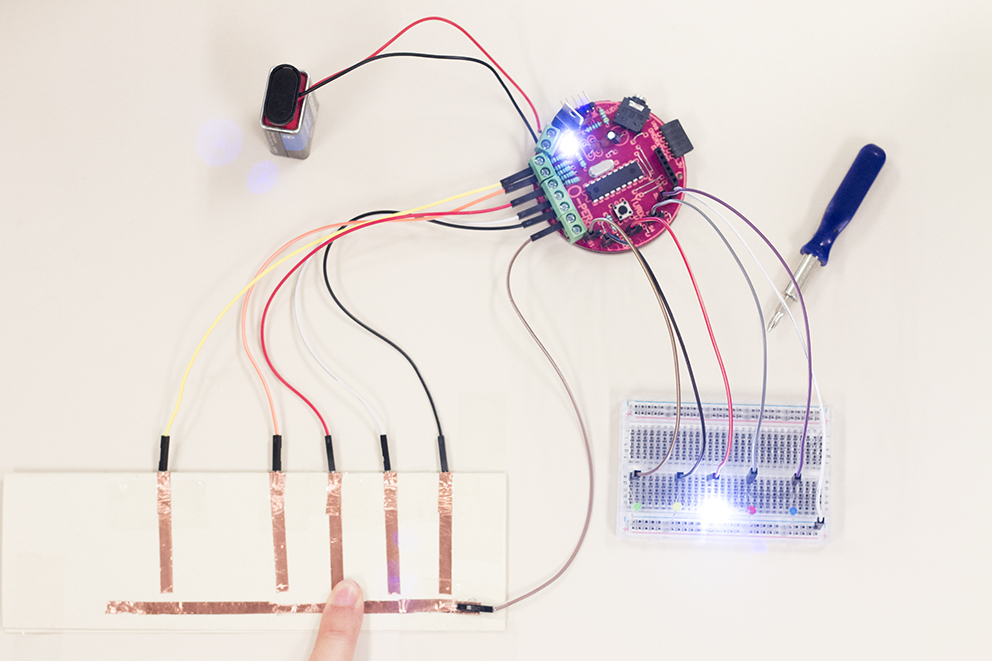
Among the topics explored: DNA synthesis and visualization, electronic circuits, interactive audio developments from biological processes, construction of instruments and machines with reused material, live programming from chemical and electromagnetic processes, DNA separation, 3D printing with free technology, and electroencephalography.